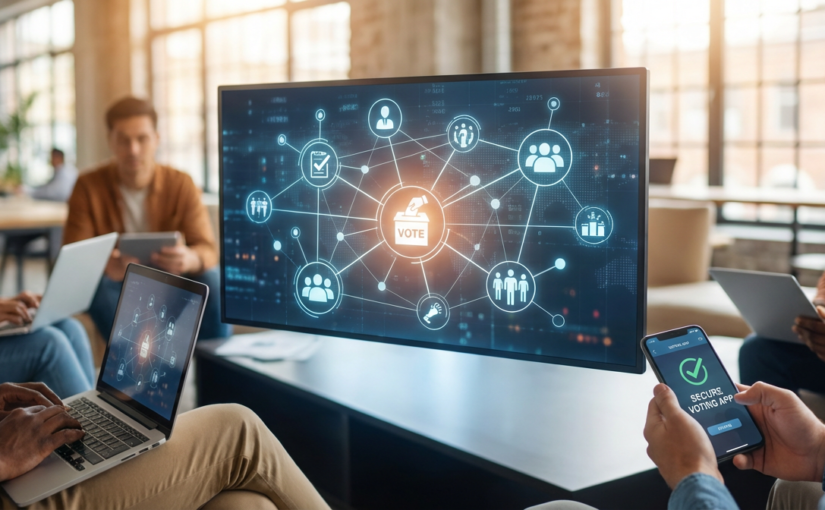
The New Town Square Lives in Your Phone
Politics isn’t happening in town halls anymore. It’s happening in group chats, Facebook pages, and TikTok comments. Nearly three-quarters of voters under 35 now get their political news primarily from social media platforms. This shift isn’t just changing how young people consume information. It’s completely rewiring how political power gets organized from the ground up.
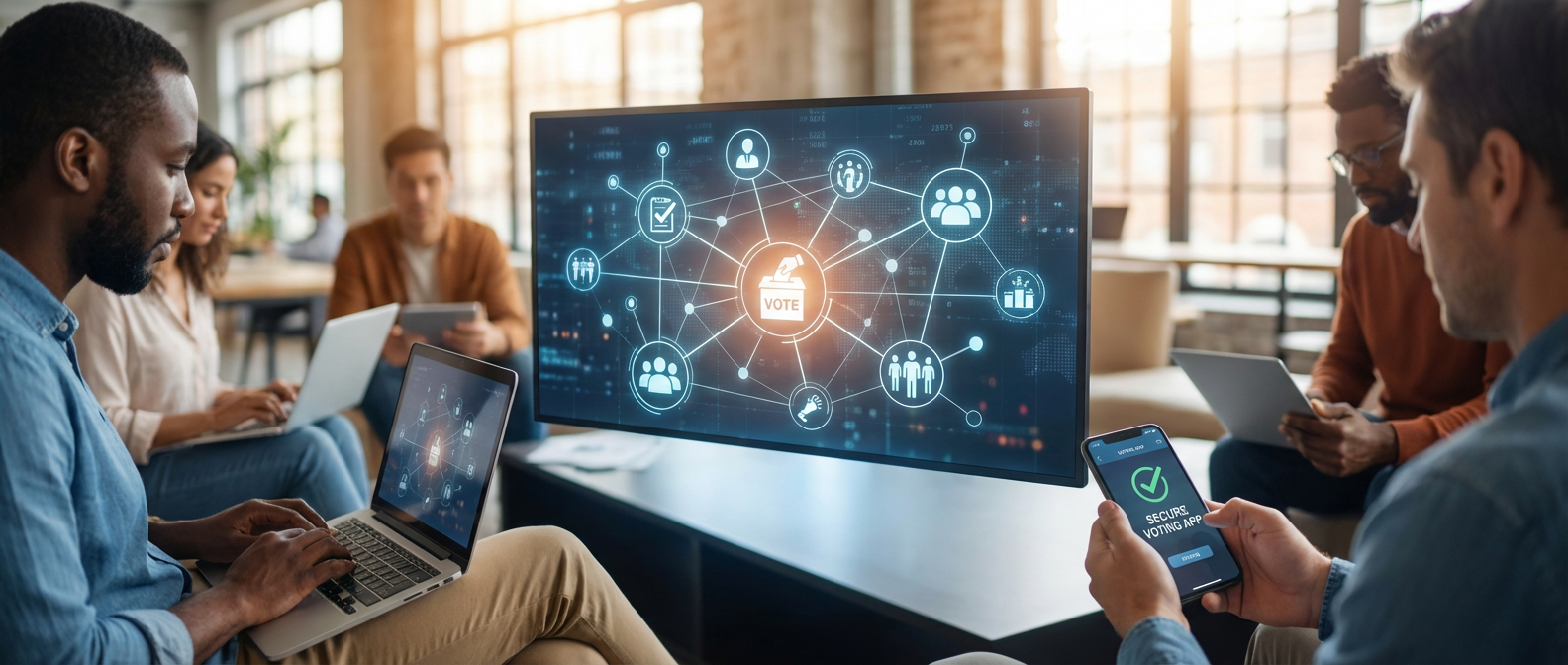
Your local school board race, city council election, or neighborhood zoning fight increasingly depends on who controls the digital conversation. WhatsApp groups coordinate voter turnout efforts across suburban developments. Telegram channels organize protests against housing developments. Facebook groups mobilize parents around curriculum debates. The tools of democracy have moved online, and honestly? It’s messy, chaotic, and changing everything about how politics works in your community.
This digital transformation has real consequences for local governance. When political organizing happens primarily through social networks, it amplifies certain voices while drowning out others. The residents who participate in online political discussions shape policy outcomes way more than those who don’t. Digital democracy isn’t some future trend to keep an eye on. It’s what’s deciding which candidates win elections and which issues actually get attention in your town right now.
Algorithms Are Picking Your Local Leaders
Every major social media platform pushes content that generates outrage and strong emotional reactions. This algorithmic bias toward inflammatory content doesn’t stay confined to national politics. It bleeds into local political conversations too. The most reasonable candidate for mayor might get completely drowned out by the one stirring up controversy. Thoughtful policy discussions about transit funding get overwhelmed by heated debates about cultural issues.
Foreign influence operations actively target local elections through the same platforms residents use for community organizing. State actors and domestic bad faith groups exploit these algorithmic preferences to sow division around local issues. A contentious school board meeting about library policies can become a national flashpoint through coordinated online amplification. Your town’s political discourse gets weaponized by forces that have absolutely nothing to do with your community’s actual needs.
The Brennan Center democracy research documents how these manipulation tactics scale down to affect everything from municipal elections to ballot initiatives. Understanding how algorithms shape political conversations isn’t some academic exercise anymore. It’s necessary if you want to participate effectively in local democracy without getting played.
Grassroots Organizing Gets a Digital Makeover
Campaign technology that once required expensive consultants now runs on free apps and open-source software. Neighborhood canvassing operations coordinate through shared spreadsheets and mapping tools. Voter contact programs operate through automated text messaging platforms. These barriers coming down means more people can organize political campaigns. But it also means way more people are trying to influence your local elections, period.
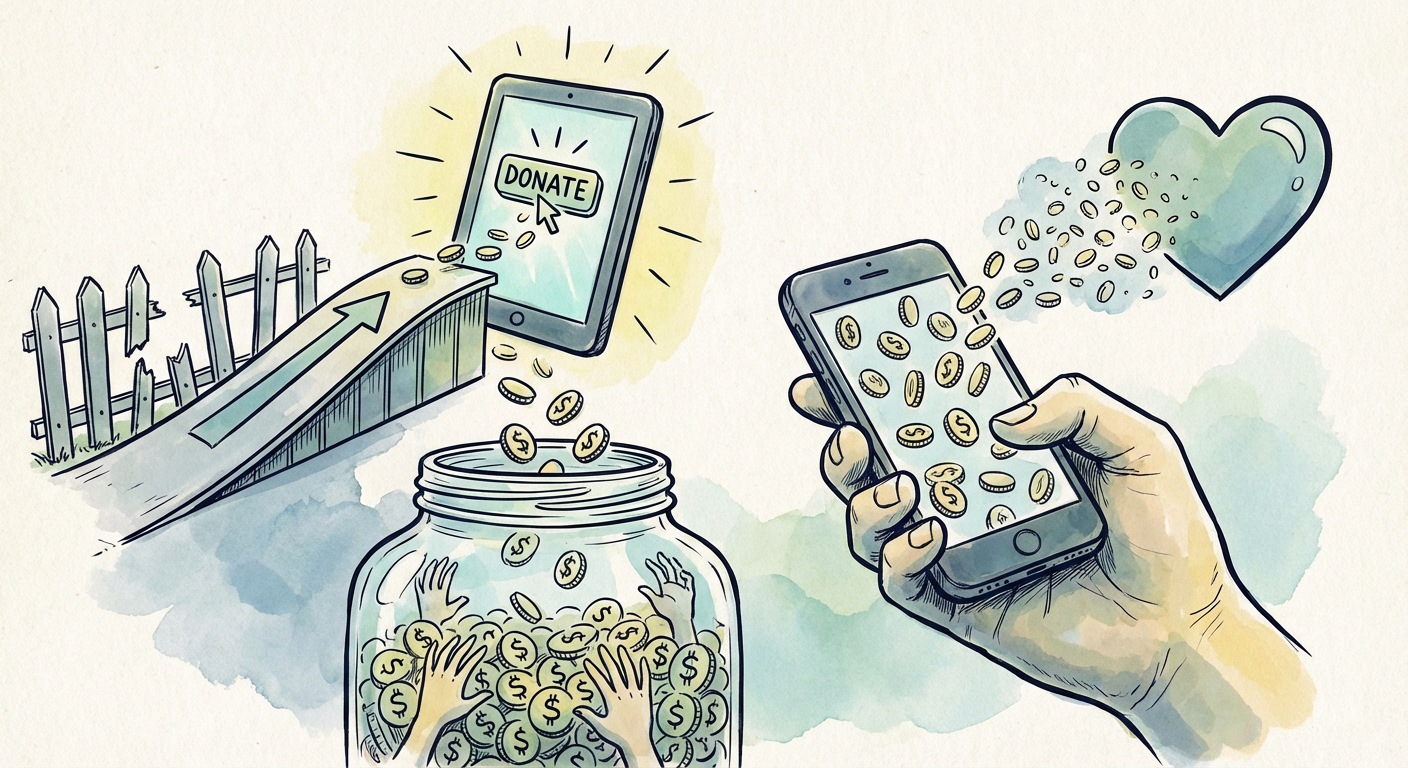
Small-dollar fundraising platforms have democratized campaign finance while creating new dependencies. Local candidates who master online fundraising can compete against traditionally well-funded opponents. But this system also makes campaigns increasingly reliant on maintaining constant online engagement to keep donation flows coming. Your city council candidate needs to become a content creator to stay financially viable. Political messaging gets optimized for shares and clicks rather than actual policy clarity.
These tools enable genuine grassroots movements while also empowering astroturf campaigns that simulate grassroots energy. The same WhatsApp groups and Telegram channels driving authentic local political mobilization can be deployed to manufacture artificial community support. Learning to tell the difference between real neighborhood organizing and manufactured consensus becomes a crucial skill for engaged citizens.
Democracy’s Digital Divides
Not everyone participates equally in these new forms of political engagement. Older residents, lower-income families, and people working multiple jobs often lack the time or tech skills to engage in online political organizing. This digital divide translates directly into political power imbalances. The voices that dominate your community’s social media conversations probably don’t represent your community’s actual demographics or priorities.
Language barriers make these participation gaps even worse. Political organizing increasingly happens in English-language social media groups even in multilingual communities. Important local political information gets shared through digital networks that exclude huge portions of the population. Democratic participation becomes contingent on social media literacy and access, which frankly sucks for a lot of people.
These participation gaps create seriously distorted feedback loops for elected officials. Politicians who gauge community sentiment through online engagement get completely skewed impressions of what constituents actually care about. Policy decisions get influenced by whoever shows up in comment sections and group chats rather than the broader community affected by those decisions.
Building Better Digital Democracy
Improving how digital tools work for local democracy requires intentional effort from both technology platforms and community members. Social media companies could modify algorithms to prioritize constructive local political content over inflammatory national content. Communities could establish digital organizing practices that actively include voices typically pushed out of online spaces. Local news organizations could develop better strategies for countering misinformation while supporting legitimate community organizing.
Citizens can also take concrete steps to improve their local digital democracy. Learning to spot inauthentic political content protects your community from manipulation. Supporting local journalism provides alternatives to social media for political information. Participating in digital political organizing while also maintaining connections with neighbors who aren’t online helps bridge participation gaps.
Platforms like Democracy Now show how digital media can actually support democratic participation rather than undermine it. The goal isn’t to go back to pre-digital politics but to harness digital tools for more inclusive and effective local democracy.
Your community’s political future depends on how well residents navigate these digital democracy challenges. The conversations happening in your neighborhood’s group chats and social media pages right now are shaping the policies and leadership that will affect your daily life for years to come. Understanding how digital political organizing works isn’t optional anymore. It’s basic civic responsibility in the 21st century.