Why Traditional Campaign Finance Creates Structural Barriers
The math is stark and telling. In most competitive races, candidates who raise the most money win roughly 90% of the time. This creates a system where access to wealthy donors becomes the primary qualification for public service. When campaigns depend on large contributions from a small pool of affluent supporters, elected officials inevitably develop stronger ties to those communities than to their broader constituencies.

This isn’t about corrupt politicians or moral failings. It’s simple math. Candidates have limited time, and they spend it where they can raise the most money efficiently. A single fundraising dinner with fifty wealthy attendees generates more revenue than dozens of community events. The system pushes this behavior regardless of what a candidate actually believes or wants to do.
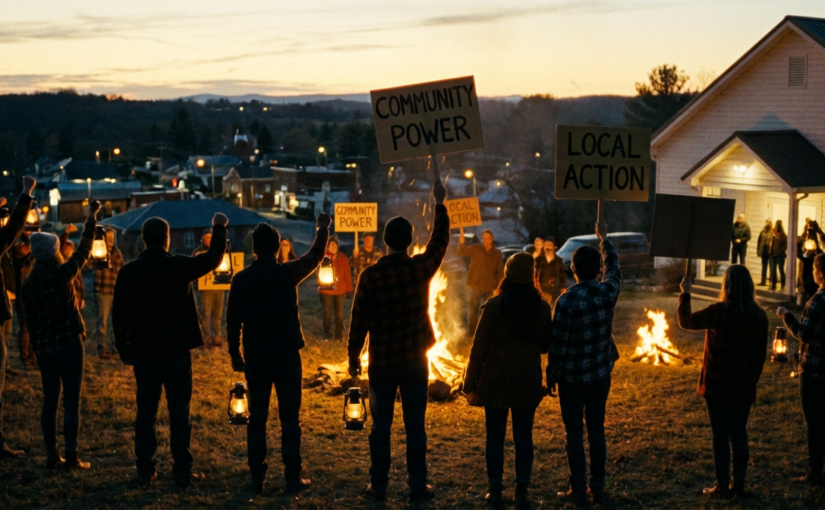
Grassroots fundraising offers a way out of this trap. When campaigns can generate competitive war chests from thousands of small donors, they break free from dependence on wealthy gatekeepers. This changes everything about how candidates relate to communities. Instead of accountability flowing down from donors, it flows up from actual voters.

The Infrastructure Behind Successful Small-Dollar Operations
Here’s what most campaigns get wrong: they treat small-dollar fundraising like an afterthought. The successful operations treat every $25 contribution as seriously as traditional campaigns treat major gifts. That means robust database management, automated follow-up sequences, and detailed tracking of donor acquisition costs across different channels.
Digital infrastructure forms the backbone of modern small-dollar fundraising. Email lists become valuable assets when properly segmented and maintained. Text messaging programs enable rapid response fundraising around breaking news or urgent deadlines. Social media platforms work as both donor acquisition tools and relationship-building channels. Each piece has to work together to maximize conversion rates and donor retention.
But here’s the piece everyone misses: offline integration. House parties, volunteer phone banks, and community events generate much higher lifetime donor values than purely digital outreach. These face-to-face interactions build emotional investment that translates into sustained financial support. Campaigns that master this online-offline integration consistently outperform those relying solely on digital strategies.
Data analysis drives optimization across every touchpoint. Successful campaigns track which subject lines get the highest open rates, which donation pages convert best on mobile devices, and which volunteer activities produce the most donor referrals. This analytical approach transforms fundraising from guesswork into a measurable science with clear metrics for improvement.
Building Donor Relationships That Sustain Long-Term Engagement
Traditional campaigns treat supporters like ATMs that get activated during election cycles. That’s backwards. Grassroots fundraising works by viewing every contributor as a stakeholder who deserves ongoing engagement and education. This relationship-building approach gets higher donor retention rates and creates a foundation for multi-cycle support.
Communication strategies have to balance fundraising appeals with actual value. Supporters who only get donation requests quickly tune out, while those who get policy updates, behind-the-scenes access, and educational materials stay connected to campaigns and causes. The most effective operations follow communication ratios where informational content outnumbers fundraising asks by three to one.
Transparency builds trust in ways that dramatically impact donor behavior. Campaigns that regularly report how funds are being spent, acknowledge setbacks honestly, and invite feedback on strategic decisions see higher repeat contribution rates. This openness creates shared ownership that transforms one-time donors into long-term movement participants.
Recognition programs matter more than you’d think. When campaigns celebrate small donors alongside major contributors, it sends powerful messages about what the campaign actually values. When $20 donors receive the same acknowledgment and access as $2000 donors, it reinforces the democratic principles underlying grassroots movements. These symbolic gestures have real implications for donor psychology and retention.
Strategic Timing and Message Testing That Maximizes Returns
Fundraising timing follows predictable patterns that smart campaigns exploit systematically. Month-end deadlines, reporting periods, and debate nights create natural urgency that drives contribution spikes. However, the most successful operations create their own momentum through strategic announcement timing and coordinated media pushes that generate earned coverage alongside direct appeals.
Message testing reveals huge variations in donor response across different frames and emotional appeals. Policy-focused messages resonate with different donor segments than candidate-focused narratives. Urgent appeals based on external threats generate different response patterns than positive vision-based requests. Smart campaigns run continuous A/B tests to optimize messaging for their specific donor base rather than relying on generic industry assumptions.
Seasonal patterns affect small-dollar fundraising in ways that differ from traditional major donor cultivation. End-of-year giving spikes create opportunities for both acquisition and retention campaigns. Back-to-school timing aligns with increased political engagement among certain demographics. Understanding these cycles allows campaigns to allocate resources more effectively throughout election years.
Scaling Strategies That Maintain Authenticity
Growth creates real tension between efficiency and personal connection. As donor lists expand from hundreds to thousands to tens of thousands, maintaining the authentic relationships that drove initial success becomes increasingly challenging. The most successful operations develop systems that preserve personal touches while leveraging technology for scale.
Automation should help relationships, not replace them. Well-designed email sequences can deliver personalized content based on donation history, geographic location, and stated interests. Automated thank-you processes that feel genuine rather than mechanical require careful attention to tone and timing. The goal is using technology to enable more meaningful interactions, not fewer.
Volunteer integration becomes crucial for maintaining human connections at scale. Trained volunteers can make personal thank-you calls to first-time donors, host house parties in different communities, and work as local ambassadors for broader campaigns. This distributed approach allows movements to grow while preserving the grassroots character that attracts supporters initially.
Quality control prevents the degradation that often comes with rapid growth. Regular surveys of donor satisfaction, response rate monitoring across different segments, and careful attention to unsubscribe patterns help campaigns identify problems before they become systemic. These feedback loops enable course corrections that keep growing operations aligned with their foundational values.
These changes in how campaigns raise money represent more than tactical improvements. They create the foundation for a more democratic political system where candidates can build power through community support rather than elite access. Every successful grassroots fundraising operation proves that this alternative model works in practice, not just in theory.