Why Your Municipal Budget Matters More Than Cable News
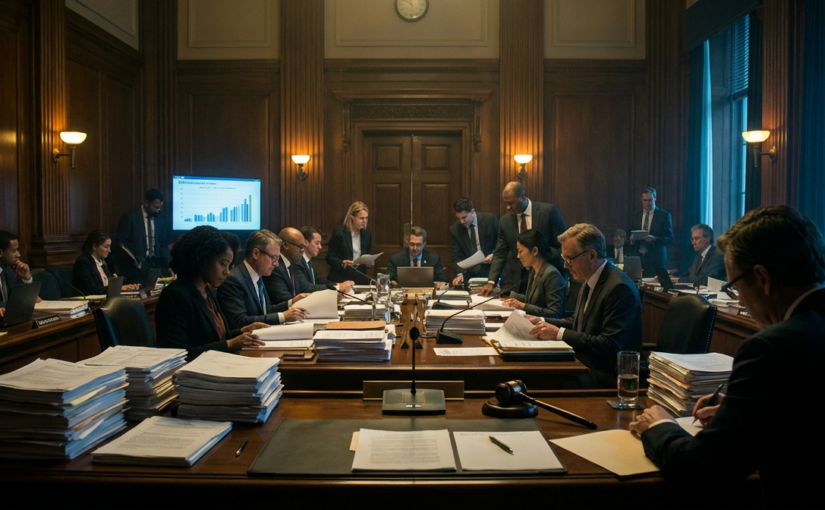
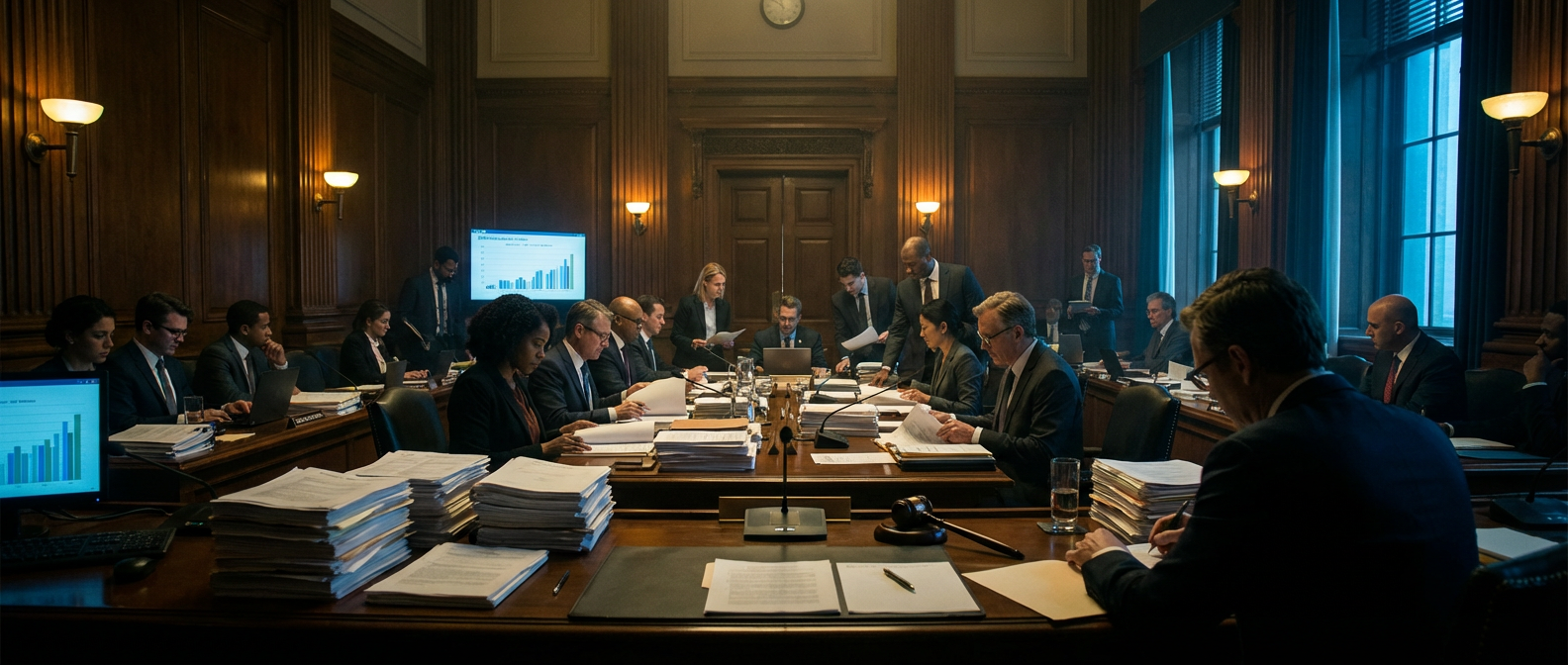
Every spring, your city council sits in fluorescent-lit rooms making decisions that will shape your daily life for the next year. They decide whether your street gets repaved, whether the library stays open on Sundays, and how many police officers patrol your neighborhood. Yet most residents could sooner name the judges on American Idol than tell you when budget hearings happen.
This is backwards. Federal politics gets all the attention, but municipal budgets determine whether your commute involves dodging potholes, whether your kids have after-school programs, and whether your elderly neighbor can afford her water bill. These aren’t abstract policy debates. They’re line items that add up to the texture of your community.
The good news? Municipal budgets are surprisingly readable once you know what to look for. Cities can’t print money or run massive deficits like the federal government. They have to balance their books, which means every dollar spent is a dollar that came from somewhere specific. This transparency creates real opportunities for residents who actually want to understand how their tax dollars work.

Reading the Numbers: What Actually Lives in a City Budget
Your city budget breaks down into two main buckets: operating expenses and capital investments. Operating expenses cover day-to-day services like police, fire, parks maintenance, and city staff salaries. Capital investments fund big-ticket items like new fire trucks, road reconstruction, or building renovations that last for years.
Start with the revenue side. Most cities rely on a mix of property taxes, sales taxes, fees for services, and transfers from state or federal programs. Property taxes usually form the backbone, which means your budget directly reflects your community’s property values and tax rates. When you see news about rising property taxes, you’re seeing the budget process in action.
On the spending side, look for the biggest line items first. Public safety usually eats up 30-50% of most city budgets. Public works, which includes everything from street repair to trash collection, claims another large chunk. These major categories tell you what your city prioritizes and where cuts would hurt most if revenues fall short.
Don’t skip the footnotes and appendices. Cities often bury important details in the back pages, including debt service obligations, pension costs, and multi-year financial projections. These numbers reveal long-term trends that shape budget decisions for years to come.
Following the Process: When and How Decisions Get Made
Budget season follows a predictable rhythm, usually starting in late winter when department heads submit their requests and ending with final approval before the fiscal year begins. Most cities operate on fiscal years that start July 1, but check your local calendar since some follow different schedules.
The city manager or mayor presents a proposed budget to the council in early spring. This document represents months of internal negotiations and sets the baseline for public discussion. Council members then hold public hearings where residents can comment before voting on the final version. These hearings are your main opportunity to influence the process directly.
Smart budget watchers track the process from the beginning rather than waiting for final hearings. Many cities publish preliminary budget documents online as soon as they’re released to council members. Reading these early versions helps you understand the big picture before getting caught up in debates over specific line items.
Pay attention to council committee structures too. Budget decisions often get hashed out in finance committee meetings that receive less attention than full council sessions. These smaller meetings allow for more detailed discussion and give you better insight into individual council members’ priorities.
Connecting Dollars to Daily Life: What the Numbers Really Mean
Budget line items transform into real experiences in your neighborhood. That $2.3 million allocation for street maintenance determines whether crews can resurface your block this year or next. The parks and recreation budget affects whether summer youth programs have enough staff or whether community centers stay open in the evenings.
Think about how budget decisions create ripple effects across different city services. When cities cut library hours to save money, working parents lose free after-school childcare, which increases demand for other city services. When deferred maintenance leads to water main breaks, emergency repairs cost far more than preventive upgrades would have.
Public safety budgets deserve special attention because they often consume such large portions of city resources. Look beyond the total police department allocation to understand how money gets spent within the department. Does the budget prioritize patrol officers, community policing programs, or specialized units? These choices shape how public safety actually works in your community.
Economic development spending also merits close examination. Cities often provide tax incentives, infrastructure improvements, or direct subsidies to attract businesses. These investments can generate future tax revenue, but they also represent opportunity costs. Money spent on business incentives can’t simultaneously fund social services or infrastructure improvements.
Making Your Voice Count in Budget Decisions
Effective budget advocacy requires preparation and persistence. Start by identifying specific issues that matter to your daily life, then trace them back to relevant budget line items. Instead of advocating for vague improvements, propose concrete changes with price tags attached.
Build coalitions around shared interests rather than trying to influence budget decisions alone. Parents concerned about playground safety can partner with senior citizens who want better sidewalk maintenance around the shared goal of infrastructure investment. These alliances carry more weight with council members than individual complaints.
Attend budget hearings prepared with facts and specific proposals. Council members appreciate residents who’ve done their homework and can speak knowledgeably about trade-offs. Bring neighbors who share your concerns, but avoid repeating the same points. Different voices making different arguments for the same outcome prove broader community support.
The real work happens between budget seasons too. Building relationships with council members and city staff throughout the year makes your input more influential when budget decisions arise. Attend regular council meetings, participate in community forums, and engage with city social media accounts to stay visible as an informed resident who cares about good governance.
Your city’s budget process gives you a concrete way to practice democracy at its most tangible level. The decisions made in those fluorescent-lit rooms will shape your community long after this year’s political headlines fade. Getting involved in municipal budgeting teaches you how government actually works while giving you real power to improve your corner of the world.