The Seductive Myth of Unity
Every organizer dreams of it. The perfect coalition where everyone agrees on everything, where shared values create instant harmony, where meetings run smoothly because there’s no real disagreement. It sounds beautiful. It’s also political fantasy.
I’ve watched dozens of coalitions form around issues from affordable housing to climate action. The ones that look most promising at the start often crash fastest. They attract people who already think alike, create echo chambers instead of power, and mistake comfort for effectiveness. When the real work begins, when hard choices have to be made about strategy or messaging or resource allocation, these harmonious groups discover they’ve built on sand.
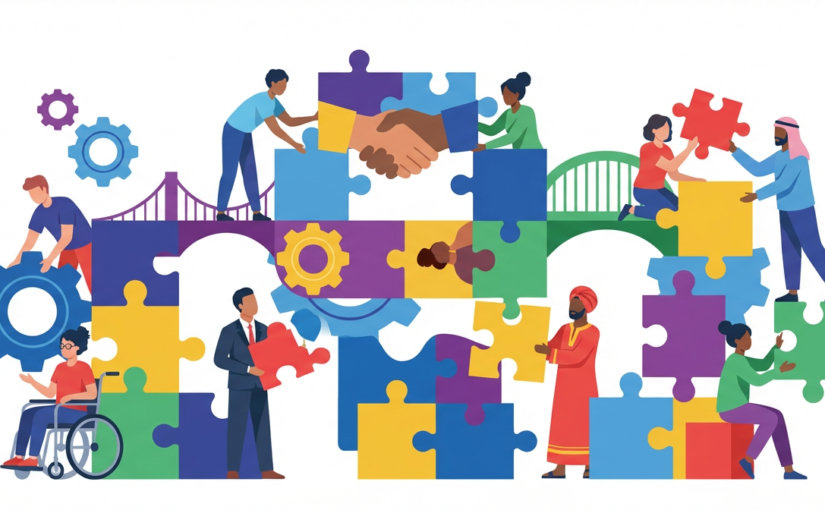
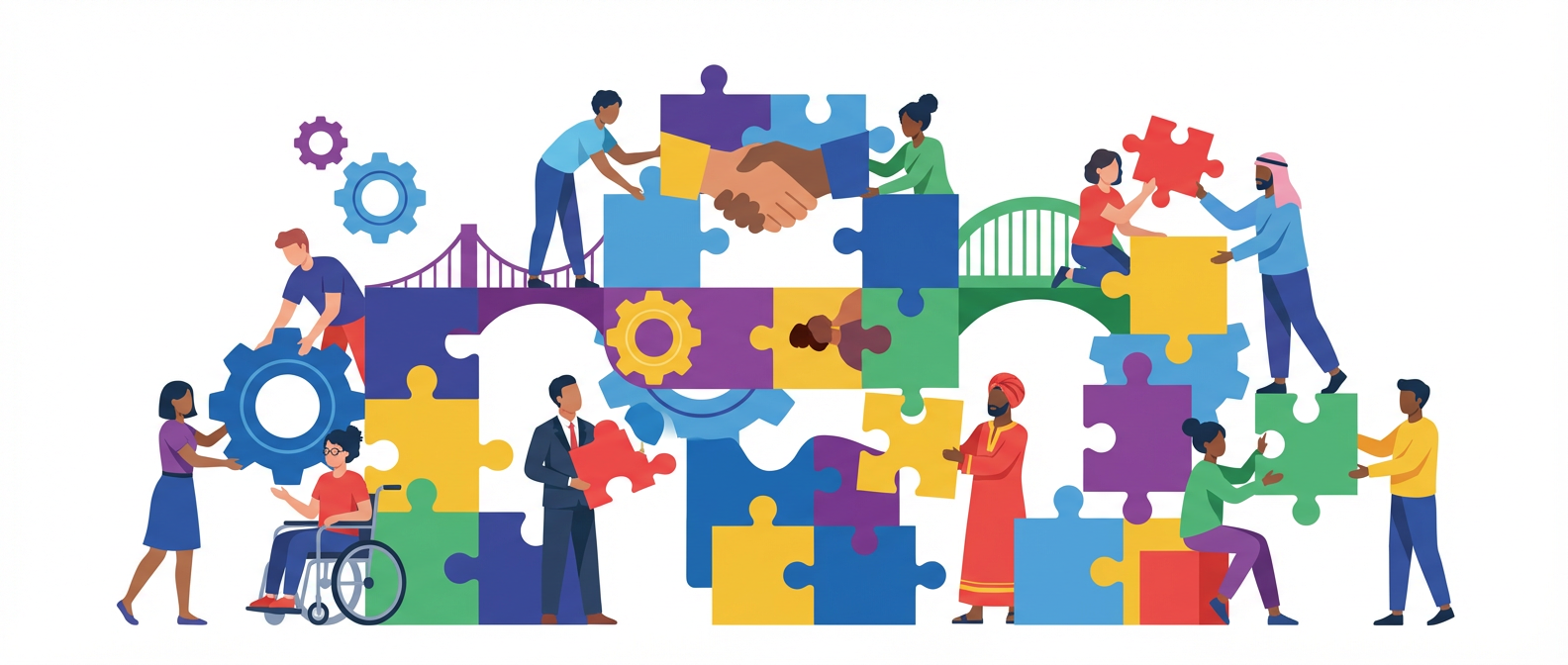
The uncomfortable truth? The coalitions that actually change things are messy. They’re full of people who disagree with each other about almost everything except one specific issue. They argue in meetings. They make each other uncomfortable. And they win.

The Math of Productive Disagreement
Consider the 2018 criminal justice reform ballot measure in Louisiana. Strange bedfellows doesn’t begin to describe it. Conservative fiscal hawks worried about prison costs joined progressive activists concerned about racial disparities. Evangelical churches focused on redemption partnered with secular civil liberties groups. Business leaders wanting workforce development sat next to formerly incarcerated individuals sharing their stories.
These groups disagreed about almost everything. Tax policy, social programs, the role of government, you name it. But they agreed on one thing: Louisiana’s incarceration rate was both unsustainable and unjust. That single point of agreement created enough political force to pass meaningful reform in a deep red state.
This is coalition math in action. When groups that typically oppose each other suddenly align, politicians take notice. A coalition of usual allies sends a predictable message. A coalition of former opponents sends shockwaves through the system. It suggests the issue has transcended normal political categories and become something bigger.
The disagreements within these diverse coalitions aren’t bugs in the system. They’re the whole point. They force better arguments, sharper messaging, and more robust strategies. When you have to convince both a libertarian and a democratic socialist that your approach makes sense, you develop talking points that can persuade anyone.
The Daily Reality of Managing Tension
But let’s be honest about what this looks like day to day. Coalition meetings with ideologically diverse groups feel like diplomatic summits. Everyone speaks carefully, watching for landmines. Progress feels slow. Sometimes it feels impossible.
The trick is telling the difference between productive tension and destructive conflict. Productive tension happens when people disagree about methods while sharing commitment to an outcome. Destructive conflict happens when people question each other’s motives or basic humanity. Good coalition management keeps the first while preventing the second.
This requires what I call “tactical compartmentalization.” You park the big ideological fights for later and focus relentlessly on the specific issue at hand. The environmental group doesn’t need to love the business association’s stance on regulations. They just need to agree that this particular piece of land shouldn’t be developed. The conservative church doesn’t need to embrace the progressive organization’s entire social agenda. They just need to agree that this family shouldn’t be evicted.
Smart coalitions create explicit agreements about what they’re working on together and what they’re not. They establish ground rules that protect the working relationship while acknowledging underlying differences. They celebrate their specific wins together while maintaining independence on everything else.
When Compromise Becomes Collaboration
Here’s where it gets interesting. Sometimes these tactical partnerships evolve into something deeper. Not ideological agreement, but genuine respect and understanding. People discover that their supposed opponents are more complex than their stereotypes suggested.
I watched this happen during a local budget fight where neighborhood associations, labor unions, and small business owners found themselves on the same side. Initial meetings were tense and formal. By the end, they were sharing strategies, resources, and even social media followers. They didn’t become philosophical allies, but they became effective political partners.
This evolution happens because working together toward shared goals creates trust in ways that talking about values never can. When the conservative business owner sees the progressive activist staying late to stuff envelopes, when the union representative watches the neighborhood association president testify passionately at city council, when everyone shows up for the unglamorous work, mutual respect develops naturally.
The magic isn’t in converting people to your broader worldview. It’s in demonstrating that you’re serious about the specific work at hand. Reliability and competence transcend ideology. So does showing up consistently, especially when the cameras aren’t rolling.
Building Power Through Principled Pragmatism
None of this means abandoning your core beliefs or accepting any compromise. It means being strategic about when and how you advance them. The housing advocate doesn’t stop believing in rent control because they’re working with landlords on zoning reform. The fiscal conservative doesn’t embrace big government because they’re partnering with progressives on transparency measures.
Instead, they recognize that change happens incrementally and coalitions are tools for specific purposes. You build the coalition that can win the fight you’re in, not the fight you wish you were having. Sometimes that means working with people whose other positions make your skin crawl. Politics is about addition, not subtraction.
The most effective organizers I know think like chess players. They see several moves ahead and understand that today’s opponent might be tomorrow’s ally on a different issue. They maintain relationships across ideological lines because they never know when circumstances might create new opportunities for collaboration.
This approach requires genuine intellectual honesty about your own positions and those of others. You have to acknowledge when former opponents make good points. You have to admit when your usual allies are wrong about something. You have to be willing to learn and adjust while maintaining your core commitments.
The goal isn’t perfect harmony. It’s effective action. And effective action often emerges from the creative tension between different perspectives working toward common objectives. Your next successful coalition might include people who drive you crazy but who bring essential resources, credibility, or reach to your cause.
What issues in your community might benefit from this kind of unlikely partnership? Which of your usual opponents might actually share your concerns about specific local problems? The answers might surprise you, and they might just be the key to building the political power needed for real change.