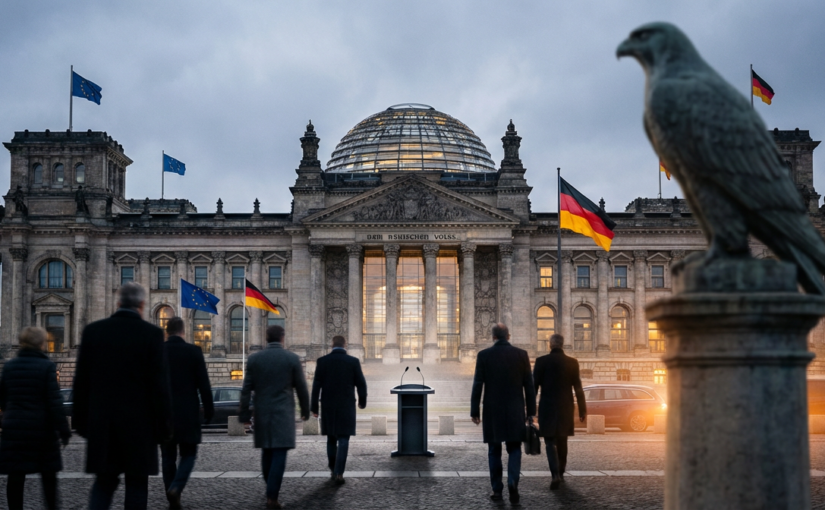
When History Pivots: Understanding the February 23 Earthquake
On February 23, 2025, German voters did something we haven’t seen in decades. They fundamentally reorganized their political map. Friedrich Merz’s CDU/CSU alliance captured roughly 28.5% of the vote, making it the clear victor but stopping well short of a majority. This matters because Germany doesn’t work like a parliamentary system where first place automatically means you govern. First place means you negotiate. And those negotiations are happening against a backdrop that hasn’t existed since the Cold War ended.
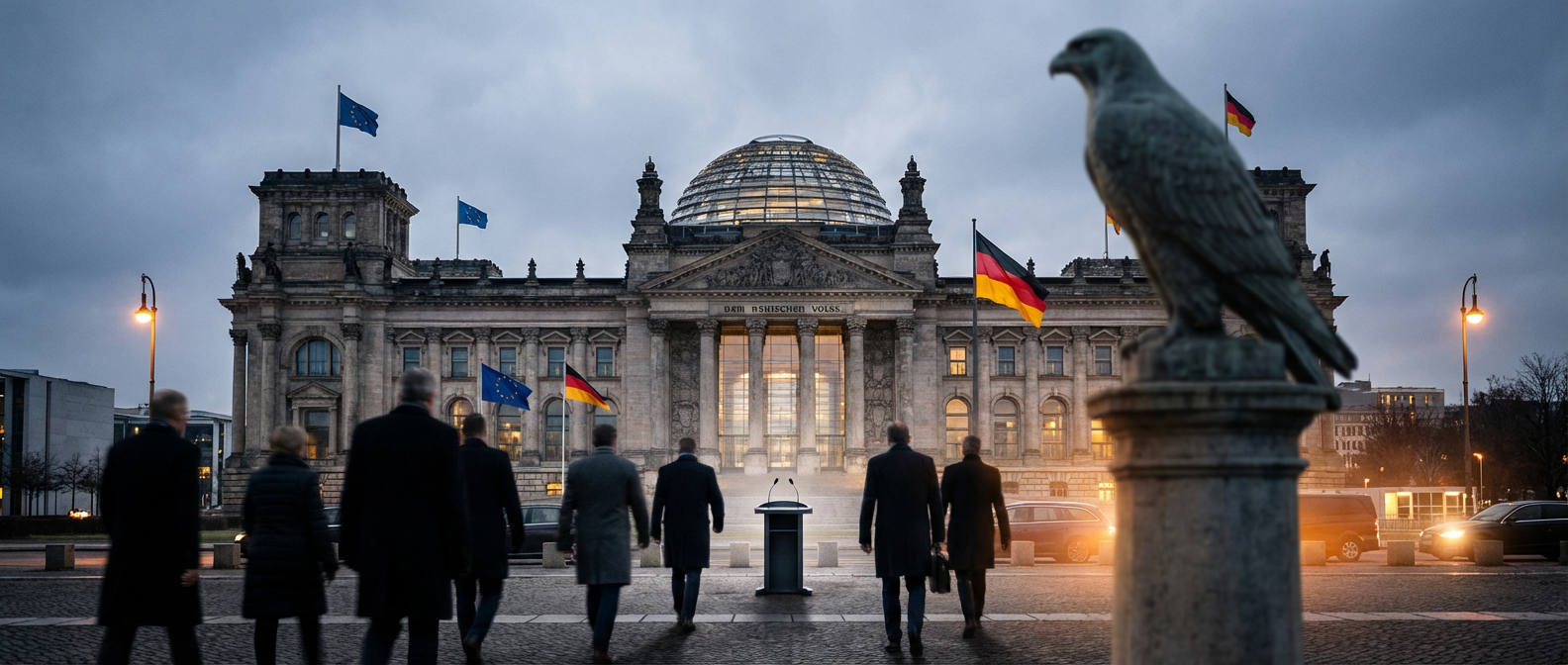
What strikes me most isn’t that the CDU won. It’s what happened to everyone else. The SPD, which dominated postwar German politics and led just four years ago, collapsed to around 16.4% of the vote. That’s the worst federal result since 1945. Think about that timeline. The party that anchored center-left Europe fell further than it has in eighty years. The Greens held relatively steady. But the real story, the one that keeps security analysts awake at night, is that the AfD finished second with approximately 20.8% of the vote. Second. That’s their best-ever federal result. And they’re locked out of government by a wall of mainstream parties who simply refuse to work with them.
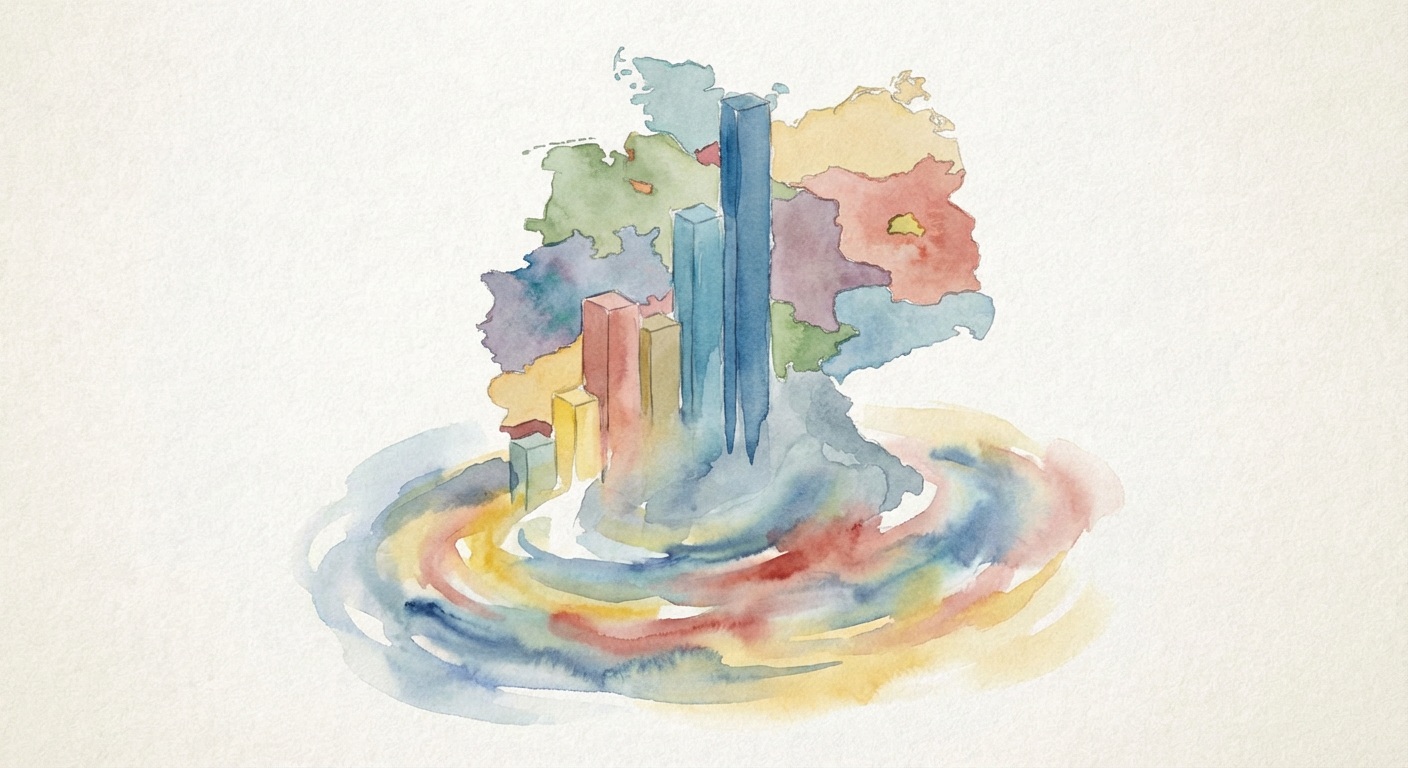
The Math of Coalition-Building in a Fractured Moment
Here’s where things get genuinely interesting from a democratic mechanics perspective. The CDU won but couldn’t govern alone. Standard coalitions were being explored. But every option looked painful in different ways. A CDU-Green coalition meant compromising on economic issues that Merz prioritized. A CDU-SPD grand coalition meant managing two parties with wildly different security visions. The Scholz-era SPD had been cautious about defense spending increases. Merz was signaling something much more ambitious.
The Federal Returning Officer Official Results confirmed what polling had suggested: fragmentation at a historic level. No single coalition option emerged as obviously dominant. This fragmentation itself became a security issue. When Germany’s government is uncertain, European security planning grinds to a halt. NATO looks to Berlin. The EU looks to Berlin. And if Berlin is still negotiating with itself, everyone waits.
The Defense Spending Question: Where Merz Breaks from Merkel
Here’s the historical parallel worth sitting with. During the Cold War, German rearmament was contested, traumatic, and ultimately necessary. West Germany built the Bundeswehr under the umbrella of NATO and American security guarantees. That framework persisted for seventy years. Angela Merkel, who governed for sixteen years, managed German security policy through that inherited architecture. She kept defense spending relatively modest by Western standards. She prioritized diplomatic channels with Russia. She believed in the existing institutions.
Merz represents a generational shift. He was born in 1955, after the war ended. He came of age during the Cold War but wasn’t haunted by it the way his predecessors were. And he’s signaling something clear: Germany needs to spend 3% of its GDP on defense, not the NATO baseline of 2%. That’s roughly 100 billion euros annually in additional spending compared to the previous trajectory. Put that in context. Germany’s entire federal budget is roughly 600 billion euros. Adding 100 billion to defense spending means either raising taxes, cutting other programs, or both. Enter the constitutional debt brake.
Germany’s Schuldenbremse, the constitutional debt brake, limits new borrowing to 0.35% of GDP in normal times. It was written into the constitution in 2009 as a reaction to the financial crisis. It’s locked in. And now the new government wanted to spend money on an unprecedented scale for defense and infrastructure. That meant either amending the constitution, declaring an emergency that overrides the debt brake, or both. The European Council on Foreign Relations Germany Analysis caught this dynamic early: this wasn’t just about defense policy. It was about whether Germany’s entire postwar constitutional order needed updating.
What This Means for European Security Architecture
Let’s step back and think about what Merz’s government represents for the larger European project. For thirty years after 1989, Europe’s security architecture rested on assumptions that are now collapsing. NATO was supposed to be a Cold War alliance that might eventually become obsolete. The EU was supposed to integrate security functions as it deepened economically. Russia was supposed to become more cooperative over time. All three assumptions failed.
Germany, more than any other Western European nation, is being forced to rethink everything at once. Ukraine changed the calculation in 2022. But Germany’s political system took three years to catch up to that reality. The SPD government under Scholz moved slowly on weapons deliveries. It tried to keep diplomatic channels open with Russia. It prioritized maintaining the energy relationship even as Putin’s intentions became unmistakable. The German public, meanwhile, was asking harder questions. Why weren’t we spending more on defense? Why were we still so dependent on Russian energy? Why did we dismantle our military capacity so thoroughly?
Merz’s CDU offers an answer to those questions. It’s a conservative answer, rooted in transatlantic commitment and European integration, but it’s also a security-first answer. That’s not radical in most Western countries. It’s radical in Germany because it marks a break with Merkel-era orthodoxy. The question isn’t whether this is good or bad. The question is whether it’s sustainable. Can Germany sustain 3% defense spending? Can it reorganize its industrial base to support that? Can it do it while maintaining social consensus at home?
The Longer Game: Democracy and the Far Right
What haunted German politics in February 2025 wasn’t actually the AfD being locked out of government. Mainstream democracies lock out extremist parties all the time. What was significant was why the AfD had gotten so strong in the first place. The party thrives on insecurity, economic anxiety, and questions about German identity. For years, those anxieties built while mainstream parties didn’t fully reckon with them. The AfD offered simple answers. Other parties offered complexity. Voters picked the simple answers.
This is where the historical parallel gets real. Weimar Germany’s failure wasn’t inevitable. It happened partly because mainstream parties fragmented, partly because they excluded each other, partly because they couldn’t adapt to voter anxiety. Modern Germany isn’t Weimar. The institutions are stronger. The international context is different. NATO exists. The EU exists. But the underlying dynamic is worrying. When 20.8% of voters pick a far-right party in their first breakthrough election, when the SPD collapses to historic lows, when mainstream parties are fractured enough that coalition-building takes months, you’re in territory worth paying careful attention to.
The Merz government’s success over the next few years won’t be measured only in defense spending or security policy. It will be measured in whether it can address the underlying anxieties that created AfD voters in the first place. Whether it can deliver security and economic stability while maintaining democratic legitimacy. Whether it can hold the European consensus together while Germany remilitarizes. Those are hard things. Historical things. The kind of things that matter far beyond Berlin.
This is exactly the moment to pay attention to how German coalition partners negotiate, how they communicate security policy to voters, and how they handle the ongoing relationship between democratic institutions and security concerns. If you’re interested in how democracies adapt to threat environments, Germany in 2025 is your case study. What questions are you asking about this moment? I’d genuinely like to know what concerns you’re tracking.