Why Government Accountability Tracking Actually Works Better When Citizens Do It Themselves

The Case Against Professional Watchdogs

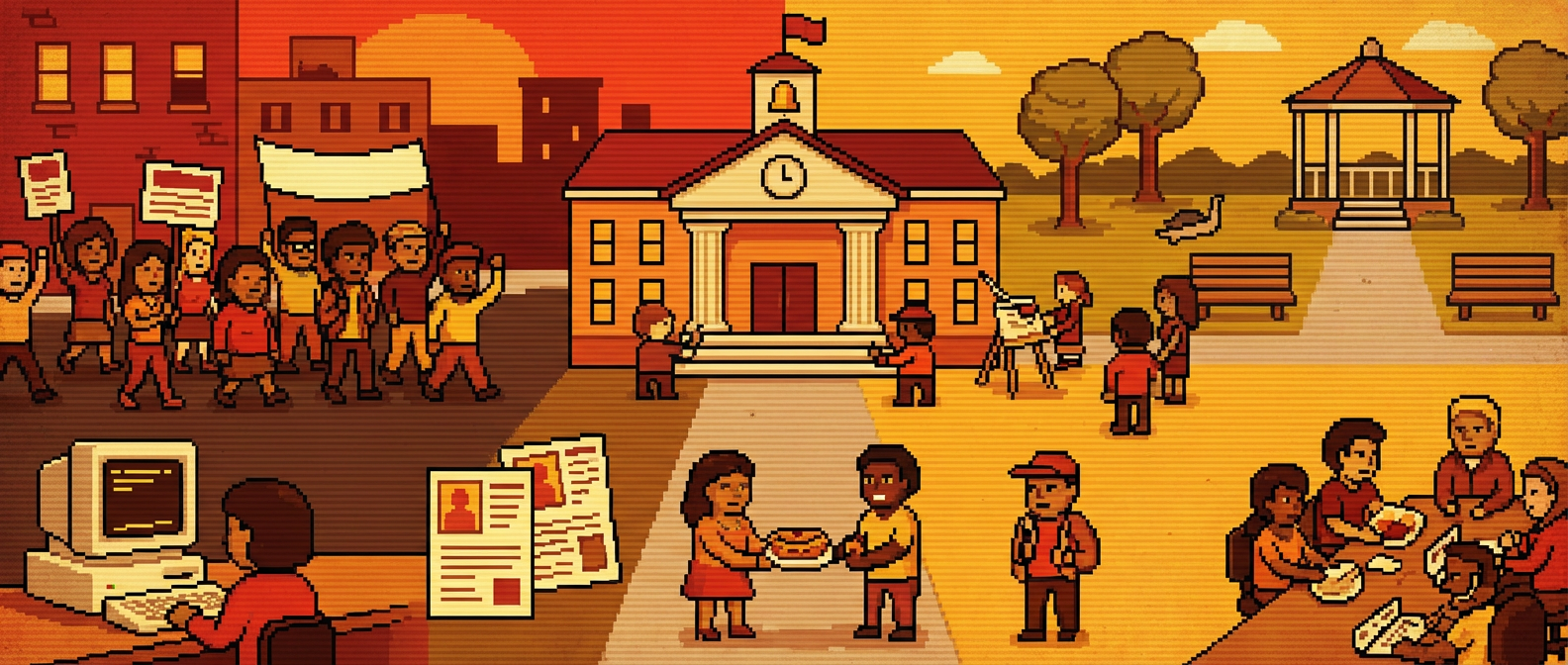
Here’s something that might surprise you: the most effective government accountability doesn’t come from professional journalists or advocacy organizations. It comes from ordinary citizens who decide to pay attention. I know this challenges the conventional wisdom that we need more investigative reporters and better-funded watchdog groups. Those things matter, absolutely. But after watching local government dynamics for fifteen years, I’ve seen something remarkable happen when regular people start tracking their own representatives.

Professional accountability organizations face real limitations that citizen trackers don’t. They need funding, which creates pressure to focus on stories that generate donations or clicks. They operate on news cycles that prioritize crisis over consistency. Most importantly, they’re outsiders looking in, while citizen trackers are the actual constituents who live with the consequences of every budget decision and policy change.

Consider what happened in Riverside, California, when a group of residents started attending every city council meeting and tracking voting patterns on their own spreadsheet. Within six months, they’d identified a pattern of closed-door pre-meetings that weren’t being properly disclosed. No journalist caught this because it wasn’t dramatic enough for a story. But these citizens lived there, and they noticed when the same five council members kept voting identically on complex issues they’d supposedly just heard for the first time.

The Power of Persistent, Unglamorous Attention

Government accountability isn’t really about catching corruption, though that happens sometimes. It’s about creating a constant culture of attention that makes carelessness and self-dealing uncomfortable for officials. Professional watchdogs swoop in for the big scandals, but they can’t provide the steady, week-after-week presence that actually shapes behavior.

When citizens track government consistently, something interesting happens. Officials start explaining themselves differently when they know the same faces will be back next week asking follow-up questions. They become more careful with public money when they realize someone’s actually reading the budget line items. This isn’t about intimidation or hostility. It’s about the simple psychological reality that people behave better when they know they’re being watched by people who matter to them.

Take the work of Maria Santos in Tucson, who started tracking her school board’s spending after noticing her daughter’s classroom didn’t have working air conditioning while the district was purchasing new furniture for administrative offices. Maria wasn’t a journalist or activist. She was a working parent who learned to read budget documents and started asking questions. Her persistent, polite inquiries led to a complete overhaul of the district’s capital spending priorities, not because she caught anyone stealing, but because she made the decision-making process visible to other parents.

Why Citizen Tracking Succeeds Where Media Falls Short

Local journalism is dying, and that’s a real crisis for democracy. But here’s what I’ve observed: even when local news coverage was robust, it rarely provided the kind of systematic tracking that changes government behavior. Reporters cover meetings when something interesting might happen, but citizens who live with the results need to know what happens in all the boring meetings too.

Citizen trackers also have something professional media can’t replicate: they’re not constrained by objectivity requirements or access concerns. If a city council member consistently votes against transparency measures, a citizen tracker can say so directly and organize other residents around that pattern. They can ask uncomfortable questions without worrying about maintaining professional relationships with officials.

The tools for this work have never been more accessible. City council meetings are streamed online. Budget documents are posted as PDFs. Voting records are public information. A motivated resident with a laptop and a few hours a month can compile accountability data that would have required a team of researchers twenty years ago.

Building Your Own Accountability System

Starting your own government tracking doesn’t require special skills, just persistence and a method. Begin with one specific body: your city council, school board, or county commission. Pick the one whose decisions most directly affect your daily life. Download their meeting agendas and minutes from the past six months. Create a simple spreadsheet with columns for date, issue, vote outcome, and your notes.

Look for patterns, not scandals. Which officials consistently vote together? Who asks real questions versus who stays quiet? When do they schedule controversial votes? Are public comment periods scheduled at times when working people can actually attend? These patterns tell you more about how power operates than any single dramatic revelation.

The key is consistency over intensity. Attending or watching one meeting per month teaches you more than cramming to understand a crisis after it’s already happened. You’ll start recognizing the regular attendees, understanding the recurring issues, and noticing when something unusual occurs.

Share what you learn, but do it thoughtfully. Post voting summaries on neighborhood social media groups. Write simple, factual updates for local community newsletters. The goal isn’t to embarrass anyone, but to make information accessible to other residents who care but don’t have time to track everything themselves.

The Tension of Democratic Participation

Here’s the tension at the heart of this argument: professional accountability journalism and citizen tracking should work together, not compete. But in our current moment, with local news decimated and civic engagement low, we can’t wait for the ideal system to rebuild itself. We need citizens who understand that democracy requires their active, ongoing attention.

The counterargument is real: most people don’t have time for this work, and expecting citizens to become unpaid government monitors places an unfair burden on busy families. This criticism has merit. But it misses something important about how democracy actually functions when it works well. Healthy communities have always depended on residents who consider civic engagement part of their basic responsibilities, not an extra burden.

What I’m proposing isn’t that everyone become a full-time watchdog, but that more people understand how accessible and impactful basic tracking can be. In any community, a handful of residents doing this work consistently creates accountability pressure that benefits everyone.

Government accountability tracking works best when it’s distributed, persistent, and rooted in real community investment. Professional watchdogs provide important oversight, but citizen trackers provide something equally valuable: the daily reminder to elected officials that democracy means answering to the people who live with the consequences of every vote. Start small, be consistent, and watch how much difference your attention makes. Want to compare notes or share what you’re learning? I’d love to hear about the patterns you’re noticing in your own community.

Your Neighborhood’s Political Future Is Being Decided in WhatsApp Groups

The New Town Square Lives in Your Phone

Politics isn’t happening in town halls anymore. It’s happening in group chats, Facebook pages, and TikTok comments. Nearly three-quarters of voters under 35 now get their political news primarily from social media platforms. This shift isn’t just changing how young people consume information. It’s completely rewiring how political power gets organized from the ground up.

Your Neighborhood's Political Future Is Being Decided in WhatsApp Groups
Your Neighborhood’s Political Future Is Being Decided in WhatsApp Groups

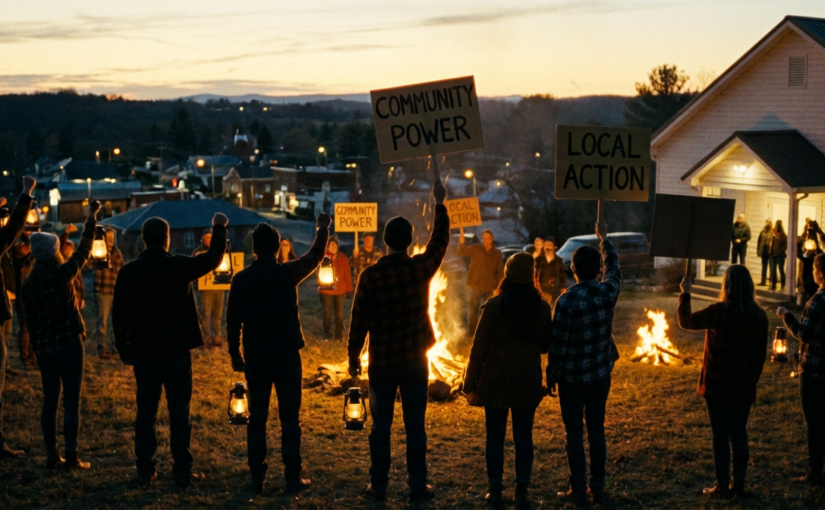
Your local school board race, city council election, or neighborhood zoning fight increasingly depends on who controls the digital conversation. WhatsApp groups coordinate voter turnout efforts across suburban developments. Telegram channels organize protests against housing developments. Facebook groups mobilize parents around curriculum debates. The tools of democracy have moved online, and honestly? It’s messy, chaotic, and changing everything about how politics works in your community.

This digital transformation has real consequences for local governance. When political organizing happens primarily through social networks, it amplifies certain voices while drowning out others. The residents who participate in online political discussions shape policy outcomes way more than those who don’t. Digital democracy isn’t some future trend to keep an eye on. It’s what’s deciding which candidates win elections and which issues actually get attention in your town right now.

Illustration for Your Neighborhood's Political Future Is Being Decided in WhatsApp Groups
Illustration for Your Neighborhood’s Political Future Is Being Decided in WhatsApp Groups

Algorithms Are Picking Your Local Leaders

Every major social media platform pushes content that generates outrage and strong emotional reactions. This algorithmic bias toward inflammatory content doesn’t stay confined to national politics. It bleeds into local political conversations too. The most reasonable candidate for mayor might get completely drowned out by the one stirring up controversy. Thoughtful policy discussions about transit funding get overwhelmed by heated debates about cultural issues.

Foreign influence operations actively target local elections through the same platforms residents use for community organizing. State actors and domestic bad faith groups exploit these algorithmic preferences to sow division around local issues. A contentious school board meeting about library policies can become a national flashpoint through coordinated online amplification. Your town’s political discourse gets weaponized by forces that have absolutely nothing to do with your community’s actual needs.

The Brennan Center democracy research documents how these manipulation tactics scale down to affect everything from municipal elections to ballot initiatives. Understanding how algorithms shape political conversations isn’t some academic exercise anymore. It’s necessary if you want to participate effectively in local democracy without getting played.

Grassroots Organizing Gets a Digital Makeover

Campaign technology that once required expensive consultants now runs on free apps and open-source software. Neighborhood canvassing operations coordinate through shared spreadsheets and mapping tools. Voter contact programs operate through automated text messaging platforms. These barriers coming down means more people can organize political campaigns. But it also means way more people are trying to influence your local elections, period.

Small-dollar fundraising platforms have democratized campaign finance while creating new dependencies. Local candidates who master online fundraising can compete against traditionally well-funded opponents. But this system also makes campaigns increasingly reliant on maintaining constant online engagement to keep donation flows coming. Your city council candidate needs to become a content creator to stay financially viable. Political messaging gets optimized for shares and clicks rather than actual policy clarity.

These tools enable genuine grassroots movements while also empowering astroturf campaigns that simulate grassroots energy. The same WhatsApp groups and Telegram channels driving authentic local political mobilization can be deployed to manufacture artificial community support. Learning to tell the difference between real neighborhood organizing and manufactured consensus becomes a crucial skill for engaged citizens.

Democracy’s Digital Divides

Not everyone participates equally in these new forms of political engagement. Older residents, lower-income families, and people working multiple jobs often lack the time or tech skills to engage in online political organizing. This digital divide translates directly into political power imbalances. The voices that dominate your community’s social media conversations probably don’t represent your community’s actual demographics or priorities.

Language barriers make these participation gaps even worse. Political organizing increasingly happens in English-language social media groups even in multilingual communities. Important local political information gets shared through digital networks that exclude huge portions of the population. Democratic participation becomes contingent on social media literacy and access, which frankly sucks for a lot of people.

These participation gaps create seriously distorted feedback loops for elected officials. Politicians who gauge community sentiment through online engagement get completely skewed impressions of what constituents actually care about. Policy decisions get influenced by whoever shows up in comment sections and group chats rather than the broader community affected by those decisions.

Building Better Digital Democracy

Improving how digital tools work for local democracy requires intentional effort from both technology platforms and community members. Social media companies could modify algorithms to prioritize constructive local political content over inflammatory national content. Communities could establish digital organizing practices that actively include voices typically pushed out of online spaces. Local news organizations could develop better strategies for countering misinformation while supporting legitimate community organizing.

Citizens can also take concrete steps to improve their local digital democracy. Learning to spot inauthentic political content protects your community from manipulation. Supporting local journalism provides alternatives to social media for political information. Participating in digital political organizing while also maintaining connections with neighbors who aren’t online helps bridge participation gaps.

Platforms like Democracy Now show how digital media can actually support democratic participation rather than undermine it. The goal isn’t to go back to pre-digital politics but to harness digital tools for more inclusive and effective local democracy.

Your community’s political future depends on how well residents navigate these digital democracy challenges. The conversations happening in your neighborhood’s group chats and social media pages right now are shaping the policies and leadership that will affect your daily life for years to come. Understanding how digital political organizing works isn’t optional anymore. It’s basic civic responsibility in the 21st century.

The Nationalist Wave: Understanding Europe’s Political Transformation

The New Political Landscape

Across Europe, something big has shifted in politics. Far-right parties now participate in coalition governments in eight European Union member states as of 2026. This goes way beyond just winning more votes. We’re watching a complete transformation of what politicians can say and do without getting laughed out of the room.

The numbers only tell you so much. These parties haven’t just grabbed seats, they’ve changed how everyone talks about politics. Stuff that used to be whispered on the fringes now gets debated in parliament and decided in cabinet meetings. The political center has moved, and it’s moved hard.

This didn’t happen overnight, obviously. Economic pressures, tech changes, and institutions screwing up all combined to create perfect conditions for nationalist messaging. If you want to understand this shift, you can’t just look at vote counts. You have to dig into the deeper forces that made such dramatic change possible in the first place.

The Perfect Storm of Recruitment

Economic uncertainty and immigration fears make incredibly powerful recruitment tools for nationalist movements. When your traditional economic security disappears, you want explanations. When cultural changes feel too fast and forced on you from above, you look for someone to blame.

The real cleverness of modern nationalist messaging is how it connects these anxieties. Lost jobs get blamed on immigration policy. Cultural shifts get framed as attacks from outsiders rather than natural evolution. Your local factory closing becomes a story about national identity under assault.

This goes beyond simple racism or xenophobia, though those definitely play a role. It’s about offering clear explanations for messy problems. When mainstream parties can’t give convincing reasons for why people are struggling or why everything feels different, nationalist movements jump in with simple, emotional answers that actually make sense to people.

You can see how well this works by looking at who actually joins these movements. Nationalist parties don’t just appeal to typical conservative voters. They pull support from all education and income levels, especially in communities that feel completely abandoned by existing political institutions.

Digital Pipelines and Algorithmic Radicalization

Online platforms have completely changed how political radicalization works. There are now documented pathways that take users from mainstream political content toward increasingly extreme positions through algorithmic recommendation systems. The journey from reasonable concern to radical ideology has become almost automated.

Social media has fast-tracked the mainstreaming of previously fringe positions. Ideas that you used to have to actively seek out now just show up in your regular news feed. The line between mainstream and extreme has gotten blurry because algorithms care about engagement, not accuracy or democratic health.

This digital transformation works differently than traditional media radicalization. You don’t need to actively join extremist communities anymore. You can slide gradually toward radical positions while staying in seemingly mainstream online spaces. The whole process feels natural and self-directed even though it follows totally predictable patterns.

The implications go way beyond individual radicalization. These platforms have created new ways of organizing politically that completely bypass traditional gatekeepers. Nationalist movements can build huge followings and coordinate activities without needing approval from established media or political institutions.

Anti-Establishment Appeals Across the Spectrum

Here’s what’s really striking: anti-establishment rhetoric works across the traditional left-right political divide. This suggests something deeper than simple ideological polarization. We’re looking at a crisis of institutional legitimacy that cuts across conventional political categories.

The appeal works because many institutions really have failed to address pressing concerns effectively. Economic inequality has gotten worse under mainstream management. Immigration policies have felt imposed rather than democratically chosen. Trade agreements have created winners and losers that don’t match what politicians promised.

Nationalist movements capitalize on these failures by positioning themselves as authentic representatives of popular will against corrupt elites. The message works because it contains real truth. Many mainstream institutions have become genuinely disconnected from the communities they’re supposed to serve.

This explains why similar anti-establishment appeals work for both far-right nationalists and far-left populists. Both claim to represent “real” people against a corrupt establishment. Both promise to restore power to communities that feel ignored and dismissed. The specific policies differ, but the underlying critique of institutional failure stays consistent.

Institutional Pressure and Civil Society Erosion

As nationalist movements gain political power, they systematically target institutions that might limit their influence. Civil society organizations face funding cuts and increased legal pressure across multiple states. Independent media outlets encounter new regulations and financial difficulties. Universities find their independence questioned and their funding threatened.

This institutional pressure operates through formally legal channels. Rather than dramatic coups, nationalist movements work within existing systems while gradually reshaping the rules of political competition. The process looks democratic even as it systematically weakens democratic institutions.

The targeting of civil society matters particularly because these organizations traditionally act as buffers between state power and individual citizens. They provide independent information sources, organize collective action, and advocate for marginalized communities. When they get weakened, societies become more vulnerable to authoritarian drift.

Research from organizations like the ECFR European politics analysis shows how this institutional erosion follows similar patterns across different countries. The specific tactics vary, but the overall strategy stays consistent: use democratic processes to weaken democratic institutions.

Beyond Simple Condemnation

Understanding nationalist movements requires moving beyond simple moral condemnation toward honest analysis of why these appeals succeed. The rise of these movements reflects genuine failures in existing political systems. Economic policies that increase inequality, immigration systems that feel chaotic and imposed, and international agreements that ignore local concerns all feed nationalist appeal.

This doesn’t excuse extremism or validate discriminatory policies. But it does suggest that effective responses must address underlying grievances rather than just denouncing their expression. Dismissing nationalist supporters as ignorant or immoral misses the point and probably strengthens the movements themselves.

Democratic renewal requires acknowledging institutional failures while defending democratic values. It means creating economic policies that provide genuine security for working communities. It means developing immigration systems that feel fair and democratically chosen. It means ensuring that international cooperation serves local communities rather than abstract principles.

The challenge lies in pursuing these goals while resisting authoritarian solutions. Nationalist movements correctly identify many problems but offer dangerous remedies. Democratic forces must provide better alternatives rather than just defending a status quo that has clearly failed many citizens. For more detailed analysis of these policy challenges, Vox policy explainers offer valuable insights into potential democratic alternatives.

The nationalist wave represents both crisis and opportunity. It forces confrontation with institutional failures that mainstream politics preferred to ignore. Whether this confrontation leads toward democratic renewal or authoritarian consolidation depends on how effectively democratic forces respond to legitimate grievances while defending essential democratic values. The outcome remains far from predetermined.

How Governments Are Wrestling With the Wealth Gap Crisis

The Scale of the Problem

The numbers tell a stark story. In most developed nations, the wealthiest one percent of citizens now control more assets than the bottom sixty percent combined. This concentration is a fundamental shift in how prosperity gets distributed across society.

Housing costs have reached levels not seen in four decades. Families across English-speaking nations now dedicate unprecedented portions of their income just to keep a roof overhead. Meanwhile, Inequality.org data reveals that inherited wealth increasingly determines life trajectories more than individual effort or talent.

These trends create ripple effects throughout democratic societies. When economic mobility stagnates, political systems face pressure. Citizens question whether existing institutions can deliver broad-based prosperity. Policymakers respond with tools both familiar and experimental. Sometimes it works. Often it doesn’t.

Wealth Taxes Make a Comeback

European governments are dusting off an old policy instrument. France has new levies on high-net-worth individuals. Spain followed with similar measures. Several American states explore their own versions despite constitutional hurdles.

Wealth taxes target accumulated assets rather than annual income. Supporters argue this approach addresses inequality at its source. Critics worry about capital flight and administrative complexity. The debate reflects deeper questions about property rights versus collective welfare.

Implementation proves challenging. Asset valuation requires sophisticated bureaucracy. Enforcement demands international cooperation to prevent tax avoidance. Yet political momentum builds as voters demand action on wealth concentration.

Early results? Mixed at best. Revenue generation often falls short of projections. But proponents emphasize symbolic value and deterrent effects beyond direct collections. Whether that’s enough to justify the administrative headache remains an open question.

Universal Basic Income Goes Global

Cash transfer experiments are multiplying across continents. Finland’s pilot provided unconditional payments to unemployed citizens. Wales launched its own trial focusing on care leavers. Kenya’s ambitious program reaches entire rural communities.

These initiatives test fundamental assumptions about work incentives and social safety nets. Traditional welfare systems tie benefits to specific circumstances or behaviors. Universal basic income removes those conditions entirely. It’s either revolutionary or reckless, depending on who you ask.

Results challenge conventional wisdom. Finnish participants showed reduced stress levels without decreased work motivation. Kenyan recipients invested in education and small businesses. Welsh data suggests improved mental health outcomes among vulnerable populations.

Political feasibility remains uncertain. Costs appear substantial even for modest payment levels. Conservative critics question work ethics implications. Progressive supporters see potential for transformative social change. Brookings Institution research suggests public opinion varies significantly by program design and target population. Funny how the devil’s in those details.

The Gig Economy Regulation Wars

Labor classification battles rage across multiple jurisdictions. California’s AB5 law forces companies to treat many contractors as employees. European Union directives push similar reclassification. Australia and the United Kingdom are developing their own approaches.

Platform companies resist these changes vigorously. They argue that flexibility benefits workers who prefer independence over traditional employment. Regulators counter that this flexibility often masks exploitation through inadequate pay and benefits. Both sides have valid points, which makes this mess even more complicated.

The stakes extend beyond individual workers. Gig economy growth means broader economic transformation. Technology enables new forms of work organization. But existing labor protections assume stable employer-employee relationships.

Solutions require balancing competing values. Workers need security and fair compensation. Innovation demands regulatory space for new business models. Consumers benefit from convenient services at reasonable prices. Policy frameworks struggle to optimize all three simultaneously. Good luck with that.

Housing Policy at the Breaking Point

Shelter costs strain household budgets across developed economies. Decades of underbuilding meet growing demand from population growth and urbanization. Zoning restrictions limit supply in desirable locations. Investment capital treats housing as financial assets rather than basic shelter.

Government responses vary dramatically. Some jurisdictions impose rent controls despite economist warnings about supply effects. Others focus on increasing construction through zoning reform and streamlined permitting. Social housing programs are expanding in several European cities.

Intergenerational effects compound the challenge. Young adults increasingly depend on family wealth for homeownership. Those without inherited advantages face permanent renter status or geographic displacement. This dynamic reinforces broader inequality patterns across generations. If you don’t have rich parents, you’re increasingly out of luck.

Policy solutions must address both supply and demand factors. Building more units helps but requires years to implement. Demand-side interventions like buyer assistance programs risk inflating prices further. Comprehensive approaches combine multiple tools while acknowledging tradeoffs.

The intersection of housing costs, wage stagnation, and wealth concentration creates political pressure for bold action. Voters experience these challenges daily regardless of their ideological preferences. Effective policy responses require understanding both economic mechanisms and democratic realities. Continued experimentation across different jurisdictions provides valuable testing grounds for approaches that might scale more broadly. Whether any of it will actually work at scale remains to be seen.

Digital Democracy’s Double Edge: How Online Politics Is Reshaping Power

The New Political Landscape

Democracy has gone digital. Nearly three-quarters of voters under 35 now get their primary political information through social media platforms rather than traditional news sources. This shift is more than a generational preference. It’s a complete restructuring of how political power flows, organizes, and operates.

Digital Democracy's Double Edge: How Online Politics Is Reshaping Power
Digital Democracy’s Double Edge: How Online Politics Is Reshaping Power

The transformation cuts both ways. Digital tools have made political participation more accessible than ever before. Grassroots movements can now mobilize thousands within hours. Campaign volunteers access sophisticated voter contact software that was once exclusive to well-funded operations. Small-dollar donors can collectively match corporate spending through micro-donation platforms.

But this same infrastructure enables manipulation, disinformation, and foreign interference on an industrial scale. The question isn’t whether digital democracy is good or bad. The question is whether democratic institutions can adapt fast enough to capture its benefits while containing its dangers.

Illustration for Digital Democracy's Double Edge: How Online Politics Is Reshaping Power
Illustration for Digital Democracy’s Double Edge: How Online Politics Is Reshaping Power

The Messaging Revolution

Political organizing has moved beyond Facebook posts and Twitter threads. WhatsApp and Telegram groups now form the backbone of local political mobilization across continents. From Indian village councils to American school board races, encrypted messaging apps enable rapid coordination outside traditional media gatekeepers.

These platforms offer real advantages for organizers. Group conversations feel intimate and personal. Messages arrive directly on phones rather than competing for attention in social media feeds. Geographic proximity creates natural organizing boundaries. Local issues gain traction without needing to go viral.

The privacy features that protect legitimate organizing also shield bad actors. Disinformation spreads through these closed networks with little oversight or fact-checking. Foreign operatives exploit the same tools that empower grassroots activists. The Brennan Center democracy research documents how authoritarian governments have weaponized messaging apps to interfere in democratic processes worldwide.

The Outrage Economy

Platform algorithms prioritize engagement over accuracy. Content that triggers strong emotional responses gets wider distribution than measured analysis. This algorithmic bias toward outrage appears consistent across major platforms, regardless of political orientation.

The mechanics are straightforward. Angry users click, share, and comment more frequently than satisfied ones. Platforms generate revenue through user engagement. So algorithms learn to surface content that provokes reaction rather than content that informs.

Political actors have adapted accordingly. Fundraising emails grow more hyperbolic. Policy debates become existential battles. Moderate voices struggle to penetrate feeds dominated by the most extreme positions from all sides. The result is political discourse optimized for virality rather than truth.

Foreign influence operations exploit these same engagement patterns. State-sponsored accounts spread divisive content designed to amplify existing tensions. Analysis shows coordinated inauthentic behavior on X, Facebook, and TikTok during every major recent election cycle. These operations succeed not by changing minds but by making democratic discourse more toxic and less productive.

The Democratization Paradox

Digital tools have eliminated traditional barriers to political participation. Open-source canvassing software allows volunteer-run campaigns to compete with professional operations. Online fundraising platforms enable candidates to bypass wealthy donors and institutional gatekeepers. Social media gives unknown activists direct access to mass audiences.

This democratization creates new dependencies. Campaigns increasingly rely on small-dollar donors who expect constant engagement and immediate responses to political developments. The need to maintain donor enthusiasm often conflicts with the deliberative processes that effective governance requires.

Technology vendors wield growing influence over electoral outcomes. Platform policy decisions about content moderation can determine which messages reach voters. Algorithm changes can devastate organizing efforts overnight. Democracy Now and other outlets have documented how platform decisions systematically favor certain political perspectives while suppressing others.

The shift toward digital organizing also creates new forms of inequality. Tech-savvy movements gain disproportionate influence regardless of their actual popular support. Digital literacy becomes a requirement for effective political participation. Rural communities with limited broadband access find themselves increasingly shut out of democratic processes.

Building Resilient Digital Democracy

The solution isn’t to abandon digital tools but to deploy them more thoughtfully. Platform transparency requirements could expose algorithmic bias without stifling innovation. Public campaign finance systems could reduce dependence on attention-driven fundraising. Digital literacy programs could help citizens navigate online political information more effectively.

Regulatory frameworks must evolve beyond simplistic content moderation debates. The focus should shift toward platform design choices that shape democratic discourse. Algorithms could prioritize local news and civic information over viral content. Verification systems could distinguish authentic grassroots activity from coordinated manipulation.

Democratic institutions need digital infrastructure as robust as the threats they face. Election security requires constant vigilance against foreign interference. Campaign finance systems must track micro-donations as carefully as major contributions. Fact-checking operations need real-time capabilities to counter disinformation at the speed of social media.

The future of democratic participation depends on getting these choices right. Digital democracy offers unprecedented opportunities for citizen engagement and political innovation. But realizing that potential requires confronting its vulnerabilities with the same urgency we bring to embracing its possibilities. The conversation about how to build more resilient digital democratic institutions matters to every citizen who values self-governance.

The Nationalist Wave: Why Democracy’s Response Must Be More Than Resistance

The New Political Reality

Across Europe, eight member states now include far-right parties in their governing coalitions. This isn’t a temporary aberration. It’s a fundamental shift in democratic politics that traditional parties can no longer dismiss as populist fever that will break on its own.

The Nationalist Wave: Why Democracy's Response Must Be More Than Resistance
The Nationalist Wave: Why Democracy’s Response Must Be More Than Resistance

The numbers tell a stark story. What began as fringe movements have become power brokers. These parties don’t just win protest votes anymore. They shape policy, control ministries, and influence the direction of entire nations. The political center that dominated post-war European politics is shrinking fast.

Yet this transformation didn’t happen overnight. Understanding how we got here means examining the economic and social forces that created space for nationalist movements to thrive. This rise isn’t just about ideology. It’s about anxiety, displacement, and the failure of established institutions to address fundamental changes in how people live and work.

Illustration for The Nationalist Wave: Why Democracy's Response Must Be More Than Resistance
Illustration for The Nationalist Wave: Why Democracy’s Response Must Be More Than Resistance

The Perfect Storm of Modern Discontent

Economic uncertainty and immigration concerns have merged into a powerful recruitment tool for nationalist parties. This combination works particularly well because it addresses both material and cultural anxieties at the same time. Workers worried about job security find their concerns validated alongside neighbors concerned about changing community demographics.

The genius of nationalist messaging lies in connecting these seemingly separate issues. Economic stagnation gets linked to immigration policy. Cultural change gets framed as economic threat. This creates a comprehensive worldview that explains complex problems through a single lens.

Traditional parties struggle to counter this narrative because they often address economic and cultural issues separately. Progressive parties champion economic relief but dismiss cultural concerns as backwards. Conservative parties acknowledge cultural anxiety but offer limited economic solutions. Nationalist movements fill this gap by presenting integrated answers to integrated problems.

Digital Radicalization and the Mainstreaming Pipeline

Social media platforms have documented concerning pathways from mainstream political content to extremist material. Users starting with moderate conservative or populist content frequently encounter increasingly radical perspectives through algorithmic recommendations. This digital radicalization happens subtly, gradually shifting baseline assumptions about acceptable political discourse.

Previously fringe positions now circulate widely through social media dynamics that reward engagement over accuracy. Inflammatory content gets more clicks, shares, and comments than careful policy discussions. This creates systematic incentives for political actors to adopt more extreme positions to maintain visibility and relevance.

The mainstreaming effect extends beyond individual users to political institutions themselves. Politicians see which messages generate online engagement and adjust their rhetoric accordingly. Policy positions that seemed unthinkable five years ago become standard talking points. The digital tail wags the democratic dog.

For comprehensive analysis of these European political shifts, ECFR European politics analysis has detailed research on how traditional party systems are adapting to nationalist pressure.

Anti-Establishment Appeal Across Political Boundaries

Nationalist movements succeed partly because anti-establishment sentiment transcends traditional left-right divisions. Voters frustrated with political elites find common ground despite ideological differences. Economic populists on the left and cultural nationalists on the right share skepticism toward globalization, international institutions, and professional political classes.

This cross-spectrum appeal explains why nationalist parties often adopt seemingly contradictory policy positions. They support generous welfare states while opposing immigration. They champion working-class interests while embracing authoritarian leaders. The internal logic focuses on opposing established power structures rather than maintaining ideological consistency.

Mainstream parties find themselves trapped between acknowledging legitimate grievances and maintaining institutional credibility. Embracing anti-establishment rhetoric undermines their own authority. Ignoring popular frustration hands political space to nationalist competitors. This double bind weakens traditional democratic institutions even when they retain formal power.

The Closing Space for Civil Society

Democratic societies depend on robust civil society organizations to mediate between citizens and government. Yet these institutions face increasing pressure in multiple countries. Funding cuts target organizations that monitor government actions, advocate for marginalized groups, or promote international cooperation. Legal restrictions limit their ability to operate effectively.

This squeeze on civil society isn’t accidental. Nationalist movements understand that independent organizations pose threats to their narratives. Media watchdogs challenge propaganda. Human rights groups document authoritarian overreach. International NGOs promote values that conflict with nationalist ideology. Weakening these institutions removes important checks on government power.

The result creates dangerous feedback loops. Fewer independent voices mean less scrutiny of government actions. Reduced oversight enables more aggressive policies. More extreme policies face less organized opposition. Democratic societies find their immune systems compromised precisely when they need them most.

Understanding these policy dynamics means examining how democratic institutions respond to populist pressure. Vox policy explainers offers accessible analysis of how these political changes translate into concrete governance challenges.

Beyond Simple Resistance

Confronting nationalist movements requires more than defending existing institutions. Democratic parties must address the underlying conditions that make nationalist appeals attractive. This means developing economic policies that provide genuine security for working families. It means acknowledging cultural concerns without abandoning core democratic values. It means rebuilding trust in institutions through transparent, effective governance.

The challenge isn’t just electoral. Nationalist success reflects deeper problems with how democratic societies manage economic change, cultural diversity, and technological disruption. Solving these problems requires innovative approaches that go beyond traditional partisan responses. It means recognizing that nationalist movements, however problematic, identify real issues that democratic politics must address.

Democracy’s future depends on this response. Nationalist movements won’t disappear through moral condemnation alone. They must be outcompeted by democratic alternatives that provide better answers to the genuine problems people face. This competition will define political life for the foreseeable future.

What strategies do you think democratic institutions should adopt to address the underlying drivers of nationalist appeal while preserving core democratic values? The conversation about democracy’s future requires input from citizens across the political spectrum who remain committed to pluralistic governance.

What Fact-checking and evidence review Reveals About Global rise of nationalist movements

This is one of those moments where paying attention changes what you do next. The topic of global rise of nationalist movements deserves more careful attention than the typical coverage provides, and the reason is not complicated once you know where to look.

The part of this that most people miss is also the part that matters most: economic anxiety and immigration are combining as primary recruitment vectors. The cool read of the situation is also the more accurate one once you examine what the evidence actually shows.

What Fact-checking and evidence review Reveals About Global rise of nationalist movements

The Review: Setting the Terms

Far-right parties in coalition government across 8 EU member states as of 2026. This isn’t just a data point, it’s the structural condition that makes everything else in this analysis make sense. Context like this doesn’t age quickly. The conditions that produced it have been building for years, and the convergence makes the current moment different from previous moments that looked similar from a distance.

Economic anxiety and immigration are combining as primary recruitment vectors.

Online radicalization pipelines have been documented from mainstream to extreme content. ECFR European politics analysis has been tracking this consistently.

What makes this moment worth examining carefully isn’t the novelty but the confirmation. The underlying dynamics have been visible for some time. What’s new is that they’ve reached a threshold where ignoring them requires active effort rather than simple inattention. That threshold crossing is the event, not the underlying movement that produced it.

And the mainstreaming of previously fringe positions is accelerating under social media dynamics. These elements don’t exist in separate silos, they’re reinforcing conditions in the same structural shift.

Illustration for What Fact-checking and evidence review Reveals About Global rise of nationalist movements

The Evidence Brief: The Analysis

The mainstreaming of previously fringe positions is accelerating under social media dynamics. This is where the analysis gets more specific. The surface reading is accessible and not wrong, but it misses the mechanism. And the mechanism is where the practical insight lives. What most people miss is also what matters most: anti-establishment rhetoric works effectively across the left-right spectrum simultaneously, and understanding this changes what you do with the information.

Civil society organizations are facing funding cuts and legal pressure in multiple states.

The skeptical counterargument deserves honest engagement. Previous moments with similar surface characteristics didn’t produce the outcomes that seemed logical at the time. That history is real. What’s different now is civil society organizations facing funding cuts and legal pressure in multiple states. This isn’t a minor variable, it’s the infrastructure condition that previous cycles lacked. Infrastructure changes tend to be persistent in ways that sentiment-driven changes aren’t. Vox policy explainers is tracking this dimension with the rigor it requires.

There’s also a distributional question that often goes unaddressed in coverage of global nationalist movements: who captures the value created by these shifts, and who absorbs the disruption costs? The aggregate picture can be positive while the distribution is uneven in ways that matter enormously to specific participants. Keeping that distributional lens in view is part of reading the situation clearly rather than simply optimistically.

Implications: What This Means If You Care About Policy claims

The implications of global nationalist movements extend beyond the immediate context. Far-right parties in coalition government across 8 EU member states as of 2026, combined with the structural conditions described above, creates a situation where adjacent fields, decisions, and communities get affected in ways that aren’t always visible from inside the primary story. The second-order effects are frequently more important than the first-order ones. They’re where careful attention pays the highest returns.

We need civic energy with intellectual backbone.

The practical question isn’t whether to engage with these dynamics but how. The answer depends on context, on what role you occupy relative to global nationalist movements and what your actual decision horizon is. But the first step is the same regardless: accurate understanding of what’s actually happening rather than what the most available narrative says is happening.

A few concrete observations are worth separating out from the broader analysis. First: economic anxiety and immigration combining as primary recruitment vectors isn’t a temporary condition, it’s a new baseline. Second: anti-establishment rhetoric that works across the left-right spectrum suggests that the adjustment period isn’t over. Third, and most important: the organizations and individuals who are treating the current moment as a new steady state rather than a transition are making a categorization error that will be costly to unwind later.

The Case Against: What the Critics Get Right

Intellectual honesty requires acknowledging the strongest counterarguments, not just the weakest ones. The case against the optimistic reading of global nationalist movements isn’t trivial. There are structural vulnerabilities in the current picture that deserve direct engagement rather than dismissal.

The most serious objection is about sustainability. Online radicalization pipelines documented from mainstream to extreme content can be read not as a foundation but as a ceiling, a point beyond which growth becomes self-limiting because of the very dynamics that produced it. If the current state has already incorporated most of the available supply of early-adopting participants, the remaining growth curve may be structurally shallower than the recent trajectory implies.

Civil society organizations are facing funding cuts and legal pressure in multiple states.

Looking Forward

The trajectory here is clearer than the pace. Making predictions about when specific thresholds will be crossed is genuinely difficult, and anyone claiming precision about timelines should be treated with skepticism. But the direction, toward far-right parties in coalition government across more EU states and continued development of the conditions described above, is supported by the evidence in a way that doesn’t depend on a single variable going right.

Civil society organizations facing funding cuts and legal pressure in multiple states is the variable to watch as the leading indicator. Historical patterns suggest it moves first, with broader metrics following with some lag. This doesn’t make the outcome certain, but it makes it readable. And readability is the precondition for good decisions.

Three questions are worth holding as the story develops. First: are the structural conditions that enabled the current state durable, or are they cyclical? Second: who is positioned to benefit from the next phase, and does that differ materially from who benefited in the current phase? Third: what would a clean falsification of the optimistic thesis look like, and is there any evidence of that signal emerging? These questions don’t need answers today, but having asked them changes what you notice in the months ahead.

The action from here is straightforward, even when the situation isn’t.

Find an error or a missing source? Point it out. Accuracy matters more than being right.

Nasled — Policy Without the Noise

Nasled — Policy Without the Noise

Rigorous political analysis for readers who want to understand the system, not just react to it.

Political coverage has a problem: it runs on outrage. We do the opposite. Every piece we publish starts with primary sources, policy documents, and expert analysis. We cover power, how it works, and why it matters to your life.

Topics we cover: Domestic Policy · Foreign Affairs · Elections · Economics · Law & Courts · History