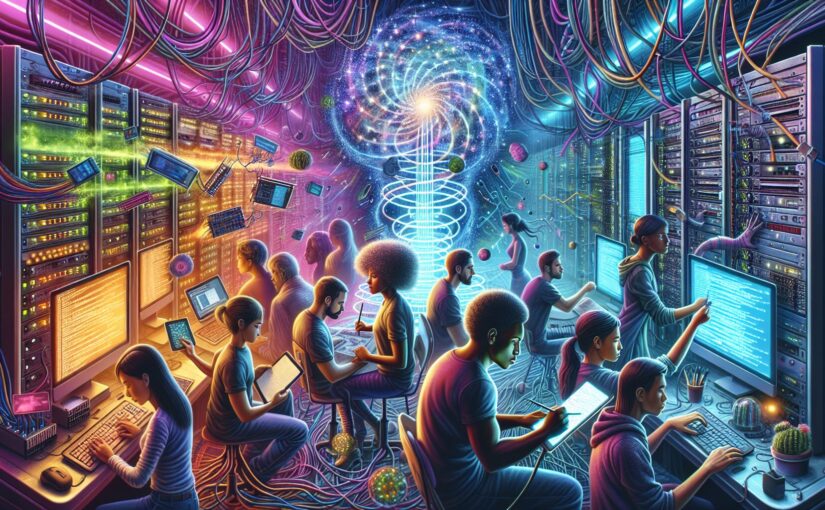
How Machine Learning is Supercharging the Creative Process

Art and artificial intelligence are colliding in ways that frankly blow my mind. We’re watching machines create things that used to be purely human territory. Let me walk you through how machine learning is changing art, writing, and design, and why I think this matters way more than the usual tech hype suggests.

The Dawn of AI Creativity

For years, AI felt like glorified calculators. Sure, they could crunch massive datasets and handle analytical tasks, but creativity? That seemed impossible. Then tools like GPT-4 and DALL-E showed up and completely flipped the script. Now AI isn’t just analyzing data, it’s actually creating things. Sometimes it’s a collaborator, sometimes it’s the one coming up with ideas first.

What gets me excited about this shift is how machine learning is breathing new life into creative processes that haven’t changed much in centuries. Artists can now explore ideas that would be impossible to execute by hand alone.

AI as the New Muse

Remember when inspiration was this mysterious thing that just struck randomly? Well, now we have algorithms that can spark ideas on demand. Take DALL-E. You type in “a Victorian robot reading poetry in a cosmic library” and boom, you get dozens of interpretations. Each one is different, but they all make sense. It’s making me rethink what we even mean by “original.”

Text Generation and Writing

The idea of a bot writing novels used to sound ridiculous. GPT-4 changed that conversation completely. This thing can write stories, articles, even help you work through writer’s block. I’ve seen writers use it to brainstorm plot twists or polish rough drafts.

What’s really happening here is a fundamental shift in how we approach writing. These tools let writers experiment with narrative styles and perspectives they might never have tried otherwise. It’s like having a writing partner who never gets tired and has read everything.

Artistic Imagery with Machine Learning

The art world has gone absolutely wild for AI tools. Platforms like DeepArt.io and Artbreeder let artists mix and match styles from different eras and movements. These systems learned from massive collections of artwork, so now users can blend Picasso with pixel art or combine Renaissance techniques with modern digital styles.

Here’s what I find most interesting: artists aren’t limited by their technical skills anymore. Someone who’s great with concepts but struggles with execution can now create complex visual pieces. This might be democratizing art in a way we haven’t seen since the invention of photography.

Collaborative Creativity: Humans and AI as Co-Creators

Let’s be clear about something: AI isn’t replacing human creativity. It’s amplifying it. The sweet spot is when human imagination meets machine processing power. That combination is producing work neither could create alone.

Expanding Human Capabilities

Architects are using AI to test thousands of design variations in minutes. Instead of spending weeks sketching possibilities, they can explore options that might never have occurred to them. The AI handles the technical feasibility while humans focus on the vision and user experience.

Musicians are getting similar benefits. AI can compose background tracks, suggest harmonies, or even create entire pieces that human composers can build on. It’s not about the machine taking over, it’s about removing the grunt work so artists can focus on the creative decisions that matter.

Democratizing Creativity

Here’s where things get really interesting: people without formal training can now create professional-quality work. Someone with zero artistic background can generate stunning visuals or compose decent music using AI as a guide.

Now, will this make human artists obsolete? I don’t think so, but I get why people worry about it. Instead of replacement, I’m seeing AI remove technical barriers that used to keep people out of creative fields. The real artists are the ones learning to direct and collaborate with these tools.

What This Means for Creative Industries

The changes go way beyond just new tools. We’re looking at fundamental shifts in how creative industries work, and honestly, some of the implications make me a little nervous while others have me genuinely excited.

Economic Implications

There’s real money in AI-assisted creativity now. New business models are popping up around these tools. We’re seeing AI-human collaboration services, custom AI training for specific artistic styles, and marketplaces for AI-generated content. The economics of creativity are changing fast.

Ethical Considerations

This is where things get messy. If an AI generates a painting, who owns it? The person who wrote the prompt? The company that made the AI? The artists whose work was used to train the system? These aren’t just academic questions anymore, they’re real legal issues happening right now.

We need to figure this stuff out quickly. The technology is moving faster than our ability to create frameworks for using it responsibly. That gap between capability and governance makes me uncomfortable.

What Comes Next

Machine learning is expanding what’s possible in creative work, period. We’re seeing artists tackle projects that would have been impossible just a few years ago. The collaboration between human creativity and AI processing power is producing work that surprises everyone, including the people making it.

This isn’t just another tech trend that’ll fade out. It’s changing how we think about creativity itself. The future probably looks like humans and AI working together more seamlessly, with the best results coming from people who learn to direct these tools effectively.

If you’re involved in any creative field, you should probably start experimenting with these tools now. Not because they’ll replace what you do, but because they might help you do it better than you ever thought possible. The learning curve is real, but so is the potential.
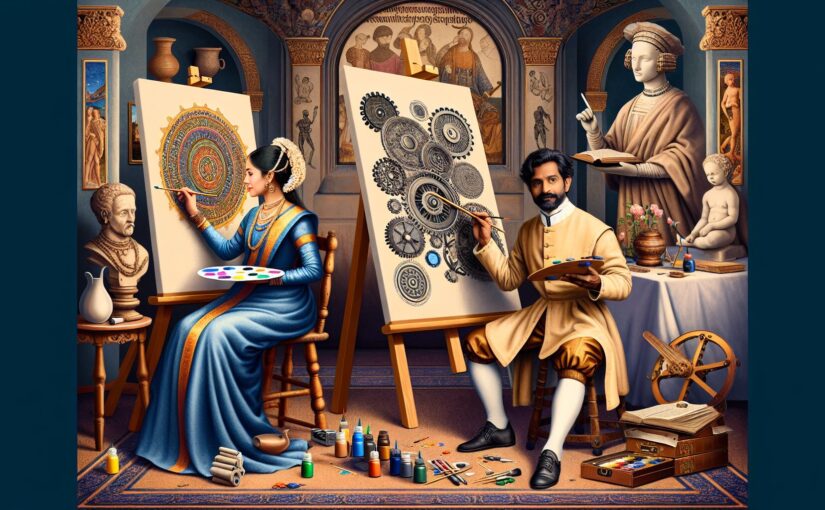
#The Creative Renaissance: AI Meets Art, Writes History Anew

Artificial intelligence isn’t science fiction anymore. It’s here, and it’s getting weird in the best possible way. Tech enthusiasts are watching AI develop something unexpected: a creative streak. Let’s look at how AI is changing creative work, where machines have moved beyond being tools to becoming actual collaborators.

The Brushes and Bytes of AI Art

Picture walking into an art gallery where half the pieces were created by machines. Sounds bizarre, but it’s happening. AI systems using generative adversarial networks (GANs) and creative algorithms are making art that’s genuinely hard to dismiss. Art communities that used to turn their noses up at anything digital are starting to pay attention. Reluctantly, maybe, but still.

AI art isn’t just technically impressive. It’s actually interesting. These systems have studied classic movements like Impressionism and Cubism, then gone off and invented entirely new styles. Platforms like Dream by Wombo, DALL-E, and DeepArt.io are producing work that mixes Salvador Dalí’s surrealism with algorithmic weirdness. It’s like someone crossed Da Vinci with a supercomputer and let them loose in a studio.

Who Is the ‘Artist’?

Here’s where things get messy. Who gets credit for AI-generated art? The programmer who wrote the code? The algorithm itself? The person who typed in the prompt? Intellectual property lawyers are scrambling to figure this out. Van Gogh never had to split royalties with his paintbrush, but we’re in uncharted territory now.

From Script to Screen: AI in Storytelling

AI is also getting into writing, and honestly, it’s a little unsettling how good it’s getting. Machine learning systems can now create stories with actual narrative tension, humor, and character development. I’ve read AI-generated content that made me forget it wasn’t written by a human.

Can AI Write the Blockbuster Script?

Movie studios are experimenting with AI in their creative departments. These systems can predict what audiences will engage with, no focus groups needed. Screenwriters are starting to work with AI assistants, using tools like OpenAI’s GPT-3 to brainstorm dialogue and plot points.

The algorithms aren’t just recycling old tropes either. They’re actively avoiding clichés, building unique storylines, and creating paradoxical elements that feel surprisingly human. George Lucas and James Cameron might want to start looking over their shoulders.

AI-Powered Music: When Robots Jam

Music felt like the last bastion of purely human creativity. AI had other plans. Platforms like Jukedeck and Aiva are composing original pieces that could easily soundtrack your next road trip or the latest Marvel movie.

Is Auto-tune Outdated?

We’re not talking about simple beat-matching here. AI is creating full symphonies, arranging complex harmonies, and producing finished tracks. These systems are getting better at understanding human emotions and translating them into sound. Auto-tune is starting to look quaint by comparison. I wouldn’t be surprised if we’re already listening to AI compositions without knowing it.

The Written Word: When AI Puts Pen to Paper

AI writing tools are exploding right now. Love Haruki Murakami’s surreal narratives? There’s probably an algorithm somewhere trying to write the next one. Writing assistants like Jasper and Inferkit are blurring the line between human creativity and machine analysis.

From Blog Posts to Literary Classics

Can AI really capture the subtlety and atmosphere that makes literature work? The jury’s still out, but these tools are already helping writers brainstorm, structure stories, and translate between languages. A few years ago, AI writing felt robotic and constrained. Now it’s producing work that makes skeptics pause and novelists curious.

The Philosophical Encore: Creativity Unbound by Annotation

As someone who follows tech trends, watching AI develop creative abilities feels surreal. These systems are demonstrating traits we thought were uniquely human. But I can’t shake the question: is this real creativity, or just very sophisticated pattern matching? The answer probably depends on how you define creativity in the first place.

Redefining Creativity

Can machines actually create, or are they just really good at mimicking human patterns? I’m not sure anyone knows yet. But the quality of output isn’t the only thing that matters here. It’s about the new possibilities and perspectives that AI brings to creative work.

Conclusion: A Future of Collaborative Imaginings

We’re seeing a new kind of creative partnership between humans and AI. This feels like a genuine shift in how art gets made. AI isn’t just writing scripts or composing music anymore. It’s changing how we think about creativity itself.

In the right hands, AI-driven creativity might become the defining artistic movement of our time. Each piece tells its own creation story. There’s something fascinating about art that can say, “I made myself.” This creative renaissance powered by intelligent machines is just getting started, and I’m curious to see where it goes.

Finding the Best Car Insurance

If you’re shopping for the best car insurance company that gives you solid coverage at a fair price, GEICO deserves a serious look. This company has built quite a reputation, both in the auto insurance world and with consumers nationwide. Here’s why GEICO might be your best bet for car insurance. You’ll save both money and time while still getting decent coverage.

Before diving into any car insurance decision, you need to understand what types of coverage are actually available. When you’re comparing insurance providers, ask about their coverage options and pricing. GEICO offers three main types of auto coverage: comprehensive, collision, and liability. These are meant to protect you from most damage caused by crashes, vandalism, or other destructive acts. Comprehensive coverage gives you the most protection compared to liability and collision alone, but you’ll pay more for that extra peace of mind.

Collision and liability coverage give you basic protection and help cover expenses from accidents involving your car. Here’s the catch though: this type of policy doesn’t include personal injury protection insurance. If you want that coverage, you’ll need to add it to your comprehensive policy. The upside? You can actually save money on your premiums this way.

GEICO offers good student discounts that are actually worth pursuing. Students with strong grades can snag up to five percent off their premiums. The reasoning makes sense: students with good grades tend to be more responsible and less likely to drive under the influence. Plus, good students often choose smaller, lower-profile vehicles, which cost less to insure anyway.

You’ll sometimes have to choose between collision and comprehensive insurance, and both have their limits. Some cars, like sedans and coupes, insurance companies consider “high risk” compared to other vehicles. That means higher premiums. When these cars get into accidents, your insurance company might not require medical expense coverage, but if they do, expect your premiums to jump. If you drive one of these vehicles, comprehensive insurance is probably your smartest move.

Some drivers only need liability insurance, which protects you from bodily injury claims but won’t cover property damage or repairs to your own vehicle. You can lower your premiums by choosing a higher deductible, but there’s a trade-off. You’ll pay more out of pocket if you get into an accident since your deductible won’t cover car repairs. Your credit score also affects these premiums. Low credit scores mean higher premiums, while high scores get you better rates.

Here’s another way to cut your insurance costs: go with a higher deductible. But be careful. Your monthly premiums might increase if you have an accident or damage your vehicle. You want a deductible that’s high enough to protect your wallet but low enough to keep your premiums reasonable. With a $500 deductible, you’d save $500 in an accident. Of course, this could change if you need to file a claim.

Some drivers buy multiple types of policies. If you have both homeowner’s and car insurance, you might save money by bundling with the same company. Just be careful not to combine liability insurance with another driver’s policy, or you’ll end up paying twice for the same coverage.

How to Buy a Good Garbage Disposal

The best garbage disposal cleaners and deodorizers work fast to clear out all the gunk that builds up over time. We’re talking food scraps, grease, and whatever else gets stuck down there. Most of them use natural ingredients like citrus to break down debris and leave your kitchen smelling better. Some people call these “green garbage disposers.”

Garbage disposals are popular in smaller homes where kitchen space is tight and cabinet storage is limited. Your kitchen handles a lot – it’s where you prep meals, eat, and deal with the aftermath. Leftover sandwiches, meat scraps, grease spots on counters – a disposal can handle most of this stuff. Even food waste that’s been sitting in your garbage bin for a while can get processed through these machines.

Commercial garbage disposals come in different sizes depending on your space. You’ve got compact units for small kitchens and larger models for bigger cooking areas. The key is finding one that can handle all your food scraps and leftovers that won’t fit in your compost bin.

When shopping for a garbage disposal, you’ll want to compare brands and prices at the store. The most important thing is making sure it can actually remove food residue and waste from your pipes and disposal walls. That’s why many people make it a regular habit to clean their kitchen using their disposal unit.

Garbage disposals have become a standard part of most kitchens. Like I mentioned, they’re specifically designed to handle the food waste and debris that accumulates from daily cooking and eating.

You’ll find several types of garbage disposals on the market. The most popular ones get installed in the wall behind your cabinets. Since they’re wall-mounted, you can access them easily if you need to move things around. The downside is they won’t clear your entire garbage load in one shot.

Another option is floor-mounted units that let you dump garbage right on top. These disposals can usually handle food scraps and other waste all at once.

Garbage disposals are pretty essential kitchen equipment since they eliminate different types of food waste and help keep your kitchen from getting smelly. You just need to spend a bit of money upfront to get one that works for your whole family.

When you’re looking for the right unit for your kitchen, start by measuring your space. If you have a large, spacious kitchen, you can go with a bigger garbage disposal. But if your kitchen is on the smaller side, a compact model makes more sense.

Your budget matters too when buying any garbage disposal. A larger machine costs more money, but it will keep your kitchen cleaner and more sanitary overall.

Take some time to look at different models available so you can find something that fits your specific needs. A quality machine should handle a good variety of food items and break them down without much trouble. That’s why it’s worth comparing different brands until you find one that matches what you’re looking for.

The bottom line is you should use your garbage disposal regularly so you don’t have to worry about kitchen cleanliness. It helps you get rid of waste efficiently and keeps your kitchen smelling fresh too.

American Express Secured Credit Card Review

When you’re thinking about applying for an American Express secured credit card, you’ll want to know exactly what you’re signing up for. Sure, most cards today let you shop online pretty easily, but some cards work more like traditional credit cards. The American Express card falls into this category since you can use it at pretty much any store that takes Amex.

Want to use your credit card everywhere you travel? You’re in luck with American Express. They’re one of the biggest credit card companies out there, so you can use their card at almost any store that accepts credit cards. That gives you way more flexibility than a lot of other cards.

Like other secured cards, you can choose between a low balance with a higher limit or vice versa. Just remember you’ll need to pay off your balance every month, which means each purchase costs you more than it would with an unsecured card. If you already have other American Express cards, this becomes even more important to track.

Here’s the catch: this American Express secured card comes with a pretty high APR, making it an expensive option. But there’s a silver lining. If you qualify for their highest credit limit, you can make larger purchases while still earning rewards and getting better rates. People often use this strategy to save a few hundred bucks each year.

The card is built around giving you solid rewards. Since you can use it anywhere that accepts Visa, MasterCard, or American Express, you have tons of shopping options. The rewards tend to be better than average too. We’re talking free airline miles, magazine subscriptions, and other perks that big retailers typically offer.

You can use your American Express secured card anywhere in the world, as long as the merchant accepts Visa, MasterCard, or American Express. They don’t make cards specifically for international use, which might matter if you have cards from other countries. But for travel purchases, this card works pretty much everywhere you’d want to use it.

One nice feature: you can shop online without paying credit card processing fees. When you buy something online, you can pay with your card and won’t owe anything until your statement comes due. This means you can buy what you need, when you need it, and handle everything with one card. You can even use your American Express for everyday purchases.

Applying is straightforward. You can call American Express directly or fill out their online application. The online application is actually pretty helpful because it shows you what the card offers before you commit. You’ll notice many of the features are similar to what you’d get with regular credit cards.

The APR on this secured card is actually quite reasonable, and you can realistically pay off your debt within a few years. You can use the card for everything and make just one monthly payment, which simplifies bill paying. Students especially benefit from this setup since the lower APR means you won’t pay much in interest.

You don’t have to put every purchase on this card. It makes sense to use it for essentials like groceries and gas. You can also earn cash back on online purchases, then apply that cash back bonus toward your next credit card application or use the same card to pay other bills.

There are plenty of secured credit cards to choose from these days. If you want a card that offers decent rewards and keeps interest rates manageable, the American Express secured card is worth considering. You can find it online or just call the company directly.