The Scale Nobody’s Talking About
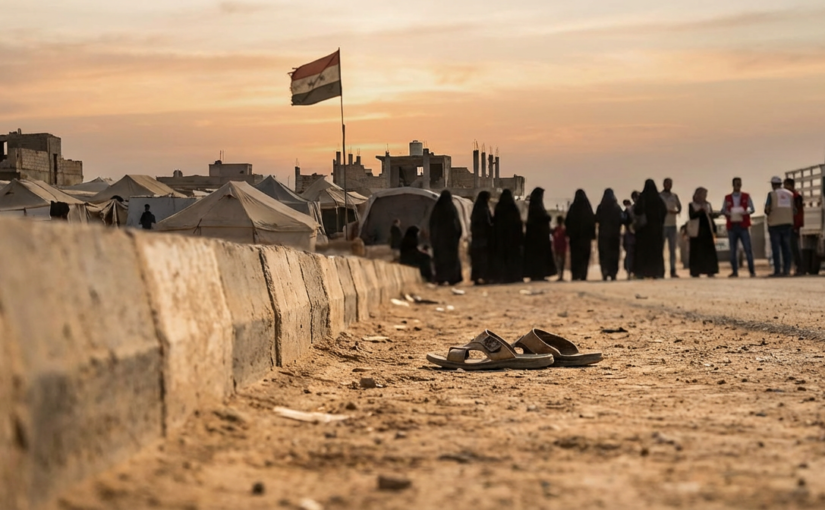
Three years into Sudan’s civil war, we’re watching the largest internal displacement crisis in human history unfold in near-silence. Over 12 million people have been forced from their homes. That’s more than the entire population of Ohio. It’s the kind of number that should break through every news cycle, every social media feed, every dinner table conversation about what’s happening in the world. And yet.
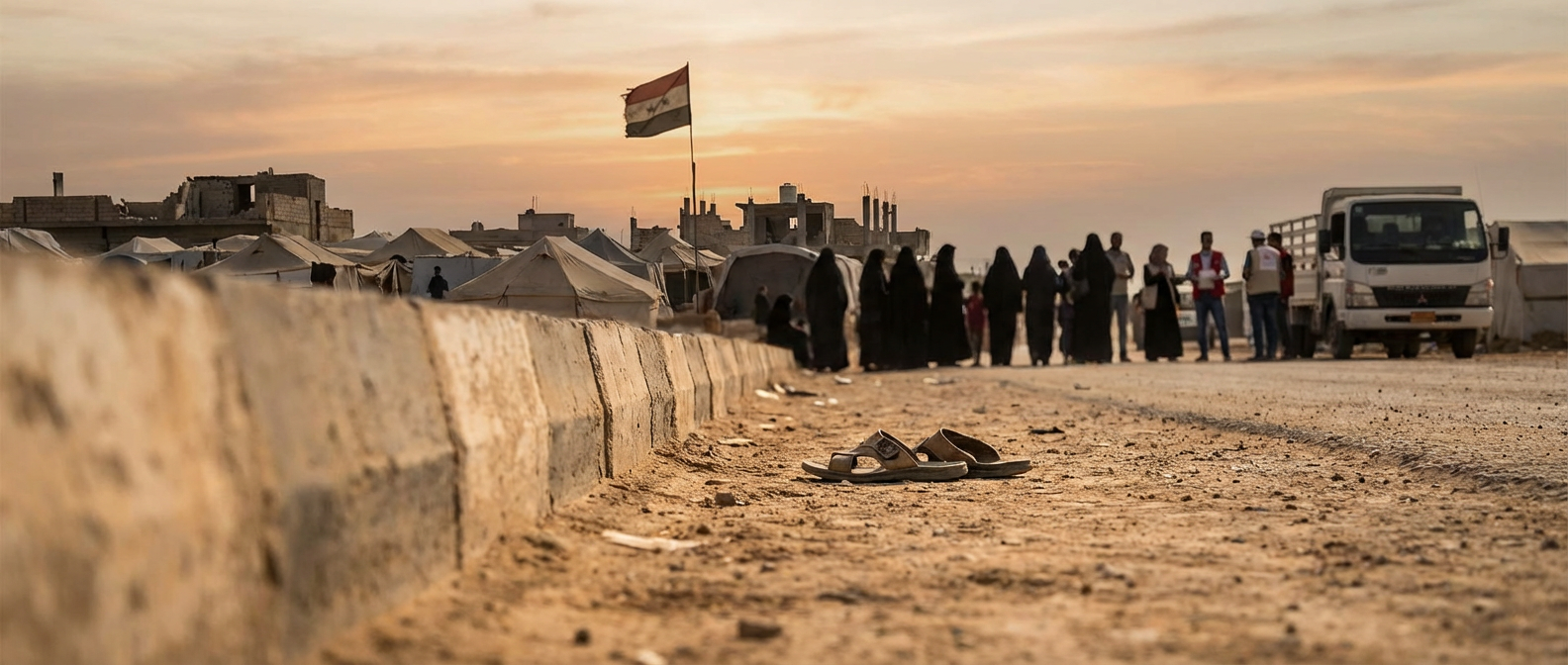
Here’s what makes this worse: the famine is real and spreading. More than half of Sudan’s population, over 25 million people, face acute food insecurity right now. Not next year. Not “at risk of.” Right now. Multiple regions have already crossed into confirmed famine conditions. The UNHCR Sudan emergency situation overview and UN OCHA Sudan humanitarian response plan and data document this with the precision of bureaucrats who are watching a catastrophe they can’t stop.
This isn’t abstract suffering happening to abstract people. These are farmers who can’t plant. Parents who can’t feed their children. Entire communities watching their neighbors die. And the world’s attention span? It’s spent elsewhere.
The Attention Gap That Matters
Want to know what’s genuinely infuriating? A 2025 analysis by the Reuters Institute found that Sudan’s conflict received roughly 90% less international press coverage than Gaza, despite comparable or higher casualty estimates. Let that sink in. The same media ecosystem that obsesses over one conflict simply decided not to cover another.
This isn’t a judgment about which conflict deserves more coverage. Both deserve real attention. The point is that one got systematically ignored. Journalists didn’t wake up one day and collectively decide to look away. Editors made decisions. News cycles moved on. Advertisers followed eyeballs. And somewhere in that machinery, Sudan became background noise.
Why does this matter beyond the obvious moral failing? Because media attention drives political pressure. Political pressure drives diplomatic action. Diplomatic action opens funding channels, creates negotiating leverage, and sometimes, just sometimes, saves lives. Sudan got none of that. Instead, it got the international equivalent of a shrug.
The War Nobody Planned For
The fighting started in April 2023 as a power struggle between two military factions: the Sudanese Armed Forces and the Rapid Support Forces led by General Mohamed Hamdan Dagalo. What should have been a contained political crisis instead became a total civil war. And the weapons kept flowing.
A UN Panel of Experts report released in December 2024 documented that the RSF received sustained arms shipments from the UAE. This wasn’t speculation. This was documented evidence of foreign military support fueling one side of a brutal internal conflict. The Security Council knew this. And it did nothing. The Council declined to formally act on the findings, which tells you everything about how fractured the international system has become.
Think about what that means on the ground. Weapons aren’t abstract policy failures. They translate into specific violence. They make wars longer. They make them deadlier. They make negotiated settlements harder to reach because the side with weapons thinks it can win.
When Peace Agreements Don’t Hold
Here’s where it gets complicated in a way that actually matters for understanding how the world works. In mid-2025, the African Union brokered a peace framework in Addis Ababa. Both parties agreed to it. There were press conferences. Official statements. The machinery of diplomacy moved forward.
Within weeks, both sides had violated it. The AU’s monitoring mission documented the breaches. The agreement became essentially decorative. Not because the AU failed at their job, but because when one side has steady weapons supplies and believes military victory is possible, a piece of paper signed in a conference room doesn’t change the calculation.
This is the grinding reality of modern conflict resolution. Getting people to sign documents isn’t enough. You need to change the incentive structure that makes fighting seem preferable to peace. That requires leverage. Leverage requires attention. Attention requires coverage. Coverage requires decisions by editors thousands of miles away. And those decisions, in Sudan’s case, went the wrong way.
What This Means for How You Think About the World
Here’s what I keep coming back to, and why I’m writing this for people who think about politics and policy: the Sudan crisis is a case study in how the international system breaks down. It shows you what happens when a conflict doesn’t fit neatly into existing power blocs, when it doesn’t have clean narrative lines, when the countries involved don’t have economic leverage over wealthy nations.
It shows you that attention is political. That silence is a choice. That the world doesn’t just “not know” about things, powerful actors actively decide what gets covered and what gets ignored. And it shows you that this matters. Not as abstract principle. As concrete policy.
The people displaced from Sudan’s war are real. The famine is real. The weapons flowing to one side are real. The peace agreement that collapsed was real. And the international failure to respond meaningfully is as real as anything you’ll read about in morning news.
If you care about how the world actually works, not the version in civics textbooks but the gritty machinery of power and attention and choice, then Sudan’s story is worth understanding. It’s worth asking why your local news didn’t mention it. It’s worth wondering what other stories aren’t making it through the filter. And it’s worth thinking about what you might do with that information.