The Election Result: Numbers That Tell a Deeper Story
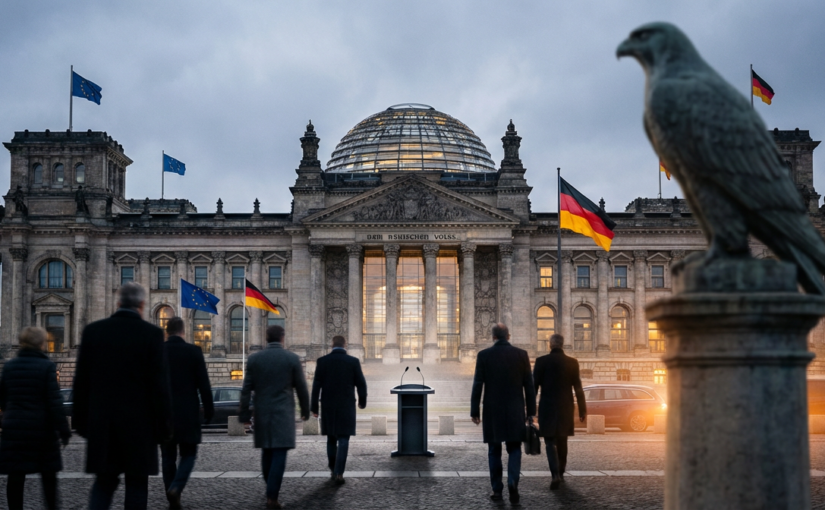
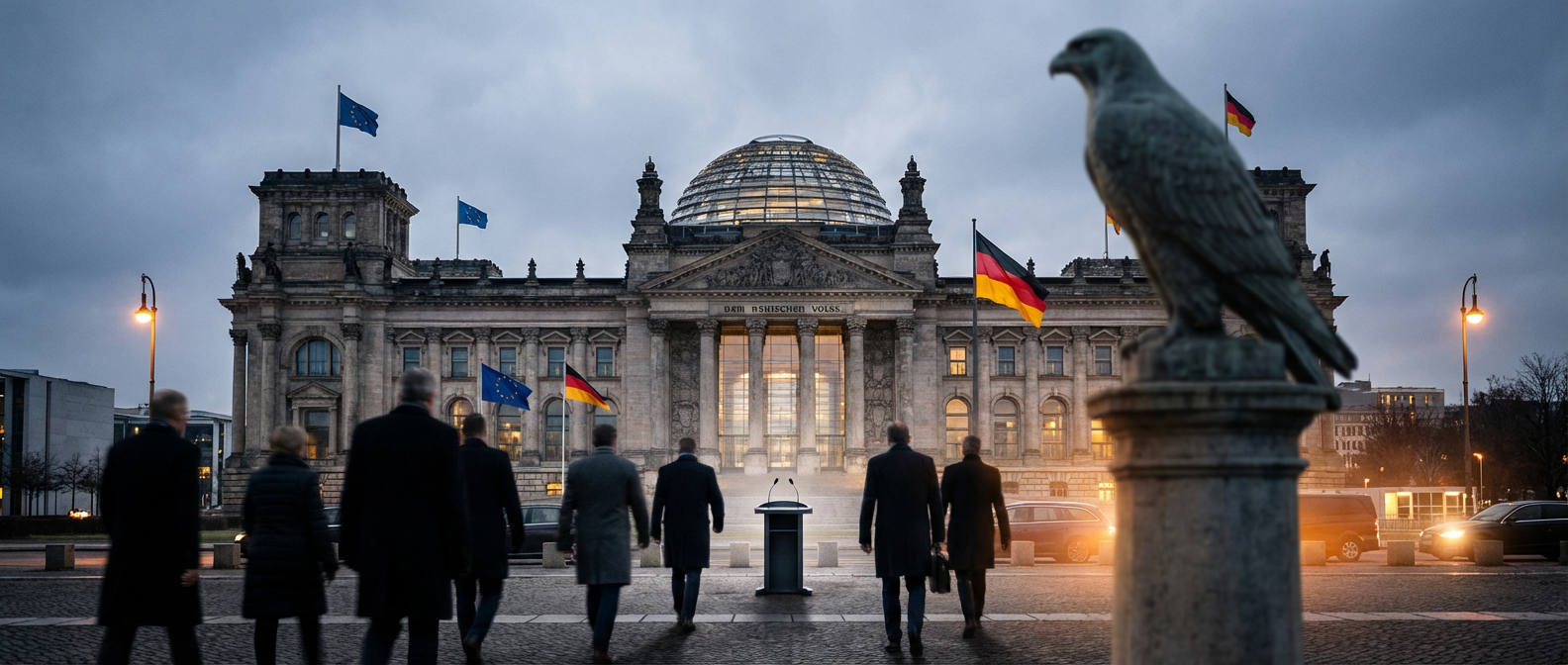
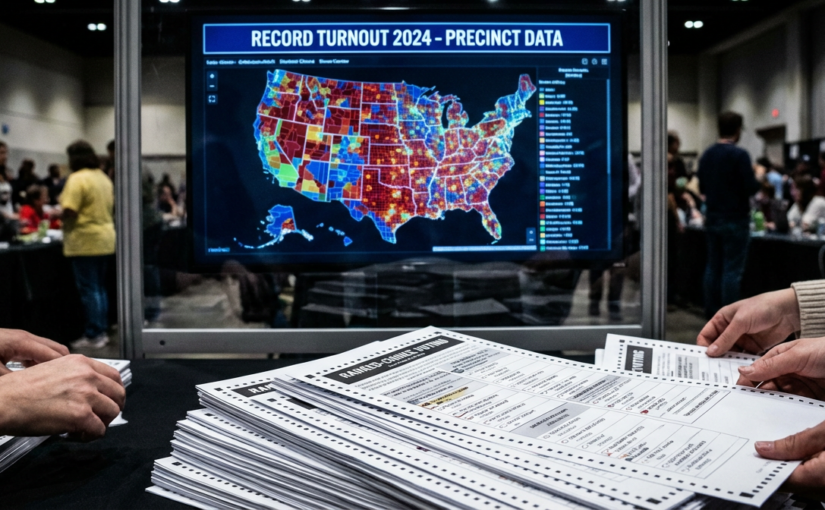
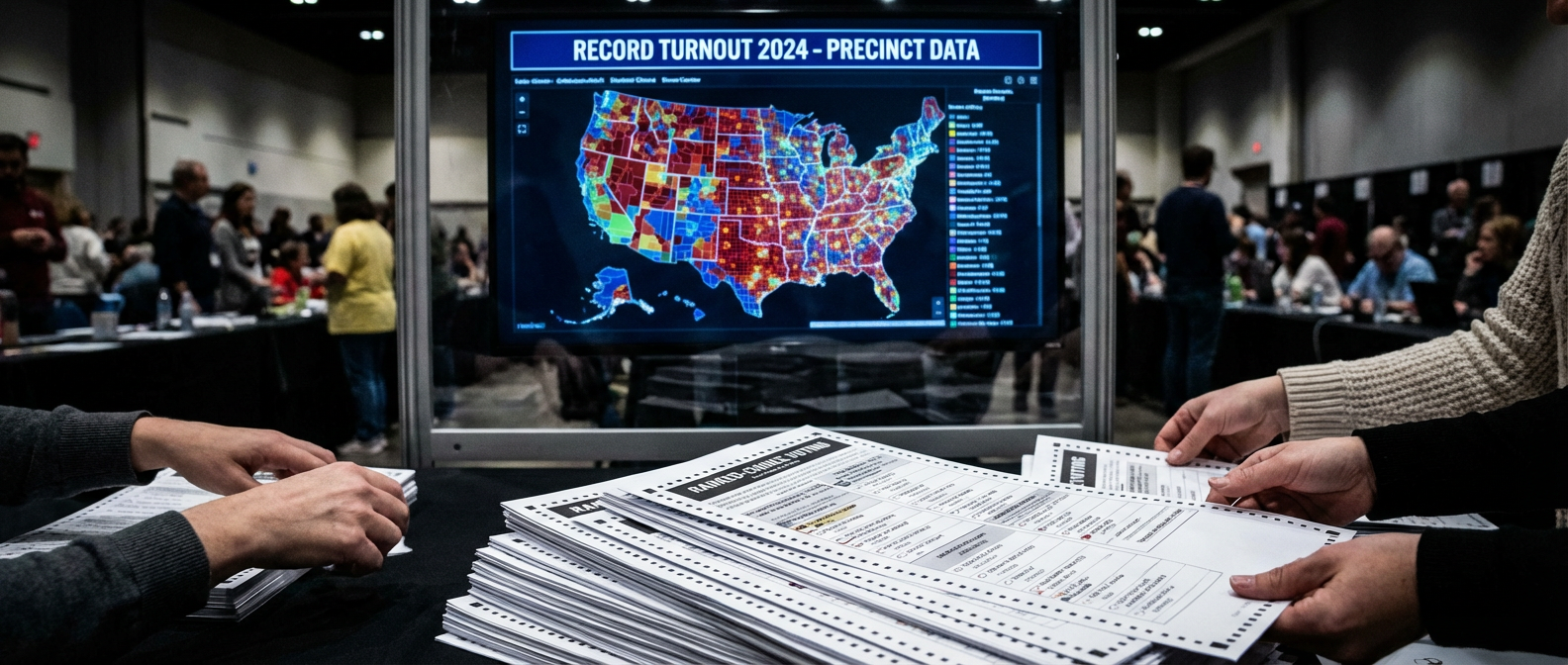
Friedrich Merz’s CDU/CSU won Germany’s February 2025 federal election with roughly 28.5 percent of the vote. That’s their strongest showing in over a decade. It sounds straightforward until you sit with what it actually means structurally. Yes, it’s a win. Yes, it signals voter preference for the conservative bloc. But here’s what matters for understanding European politics right now: the second-place finisher tells you everything about the constraints Merz inherited.
The Alternative for Germany, or AfD, captured approximately 20.8 percent of the vote. A historic high for the far-right party. This wasn’t a squeaker. This was a structural realignment of German politics playing out in real time. When a party like the AfD nearly doubles its vote share from five years prior, you’re not looking at a temporary protest vote anymore. You’re looking at a permanent shift in the electorate that every coalition government now has to navigate around.
The math forced Merz’s hand immediately. Germany’s 2025 election results — Federal Returning Officer showed that neither the CDU/CSU nor any traditional right-leaning coalition partner could form a government without the SPD. The Greens and Free Democrats simply didn’t have the numbers. This meant negotiating with Olaf Scholz’s Social Democrats, a center-left party that won roughly 21.7 percent. Coalition talks began in March and concluded in April.
The Grand Coalition: Governing Without Consensus
Merz and the SPD formalized their coalition in April 2025, producing a governing majority of 328 seats in the Bundestag. On paper, that looks stable. A grand coalition of center-left and center-right can theoretically govern through compromise. But here’s the structural reality that matters: when your coalition partners represent only about 50 percent of the electorate, you’re governing with a mandate that covers roughly half the country’s political preferences.
This isn’t unique to Germany. It’s actually the new normal across Europe. Coalition mathematics have tightened everywhere. The fragmentation of traditional party systems means fewer blocs capable of winning outright majorities. Merz’s first 100 days would reveal whether a German grand coalition could actually make difficult decisions, or whether it would become the kind of slow-moving compromise machine that leaves structural problems unresolved.
The excluded AfD creates its own gravitational pull in parliament. With 20.8 percent of seats, the far-right bloc is large enough to block legislation requiring two-thirds majorities, like constitutional changes. Too substantial to ignore, but too radioactive for mainstream parties to legitimately partner with. This forces the CDU/CSU and SPD to find consensus on their own, which sounds reasonable until you remember they’re ideologically opposed on most substantive questions. That tension defines everything that comes next.
The €500 Billion Decision: When Structural Constraints Force Action
Three weeks into the new government, Merz announced something that would have been unthinkable under the previous regime. Germany would spend €500 billion on infrastructure and defense. Not gradually. Not over a decade. As an emergency package authorized through the Bundestag in March 2025. The spending package got approval despite requiring coalition partners to overcome their natural opposition to such massive expenditure.
Merz government’s €500 billion spending package — Deutsche Welle covered the technical details, but the political story matters more. To unlock that spending, Merz’s government did something that would have triggered howls of protest in Berlin three years prior. They suspended Germany’s constitutional debt brake.
The debt brake isn’t a casual budgetary guideline. It’s a constitutional rule, almost sacred in German political culture, that limits federal debt to 0.35 percent of GDP annually. Written into the Basic Law after the eurozone crisis as a financial discipline mechanism, suspending it required more than a simple majority. It required supermajority support. The SPD had to agree. The Greens had to agree. Only the AfD voted against it, which meant the far-right got to position itself as the defender of fiscal responsibility while the respectable parties voted to suspend a constitutional rule.
Why? Because Russia invaded Ukraine in 2022 and the structural reality of European security changed overnight. Germany needed military capacity it simply didn’t have. The Bundeswehr was underfunded for years. Infrastructure was decaying. You can’t wish those problems away through austerity. At some point, structural reality forces political action, and Merz understood that immediately.
The Defense Pivot: What Germany’s Budget Signals About Europe
Germany’s defense spending is now on track to reach 3 percent of GDP by 2027. That exceeds NATO’s 2 percent benchmark, the target that has haunted European security discussions for the past decade. It’s not theoretical. The German Federal Ministry of Finance confirmed it. The trajectory is set.
Think about what this means beyond Germany. French defense spending is roughly 1.7 percent of GDP. British spending is close to 2.5 percent. When Europe’s largest economy commits to 3 percent, it reshapes the entire continent’s security calculus. It changes procurement patterns, industrial capacity, and what NATO’s eastern members think is possible when they look westward.
Merz didn’t have to be a defense hawk to push this through. The structure demanded it. A government without overwhelming electoral support needs legitimacy, and what better legitimacy than responding decisively to security threats? The SPD, despite their historical skepticism of military spending, couldn’t argue against it without looking feckless during a genuine crisis. That’s structural politics at work. The constraints of the situation produce consensus across unlikely partners.
What the First 100 Days Tell Us About Governing Europe Now
Friedrich Merz’s first hundred days as Chancellor show us something important about how European governments will operate in the 2020s. They won’t govern with huge mandates. They won’t move decisively on their preferred ideological agenda. They’ll govern through narrow coalitions forced to find compromise on fundamentals.
That’s not inherently bad. Forced compromise can prevent extremism and require thoughtful deliberation. But it’s slower. It’s messier. It requires political actors to genuinely listen to coalition partners instead of steamrolling them. The suspension of Germany’s debt brake, the massive defense investment, the SPD’s participation in a government led by the CDU’s leader — these weren’t easy calls. They’re evidence that coalitions work when structural reality leaves no alternatives.
The AfD’s historic performance, though, introduces an element of unpredictability that German politics hasn’t fully processed. A far-right bloc that significant eventually changes what’s considered politically normal, even if mainstream parties don’t cooperate with it directly. Watch European politics over the next 18 months. Watch how other countries manage their own versions of this tension: majorities that shrink, extremes that grow, and centrist coalitions that govern by necessity rather than conviction.
If you want to understand what’s happening in your own country’s politics, study Germany right now. The structural questions Merz’s government is wrestling with — coalition stability, security spending, the challenge of far-right parties in parliament — are coming for every European democracy. Understanding how Germany handles them teaches you how to think about your own political moment.