The New Political Landscape
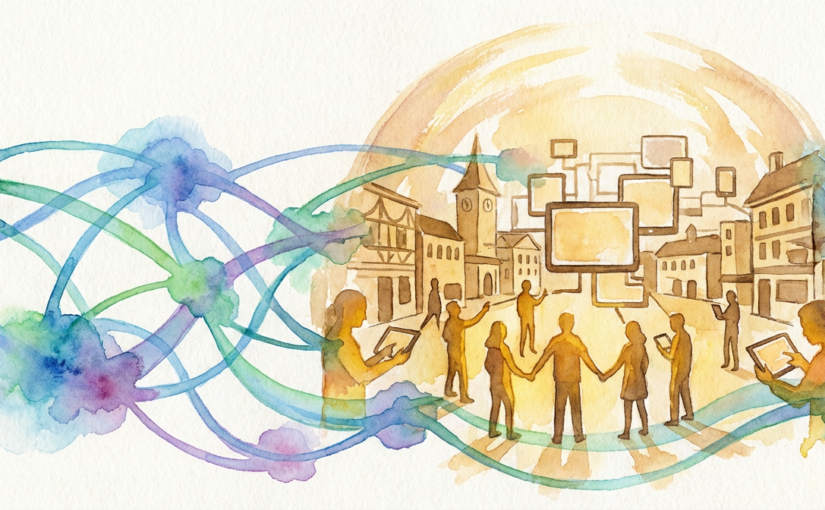
Democracy has gone digital. Nearly three-quarters of voters under 35 now get their primary political information through social media platforms rather than traditional news sources. This shift is more than a generational preference. It’s a complete restructuring of how political power flows, organizes, and operates.
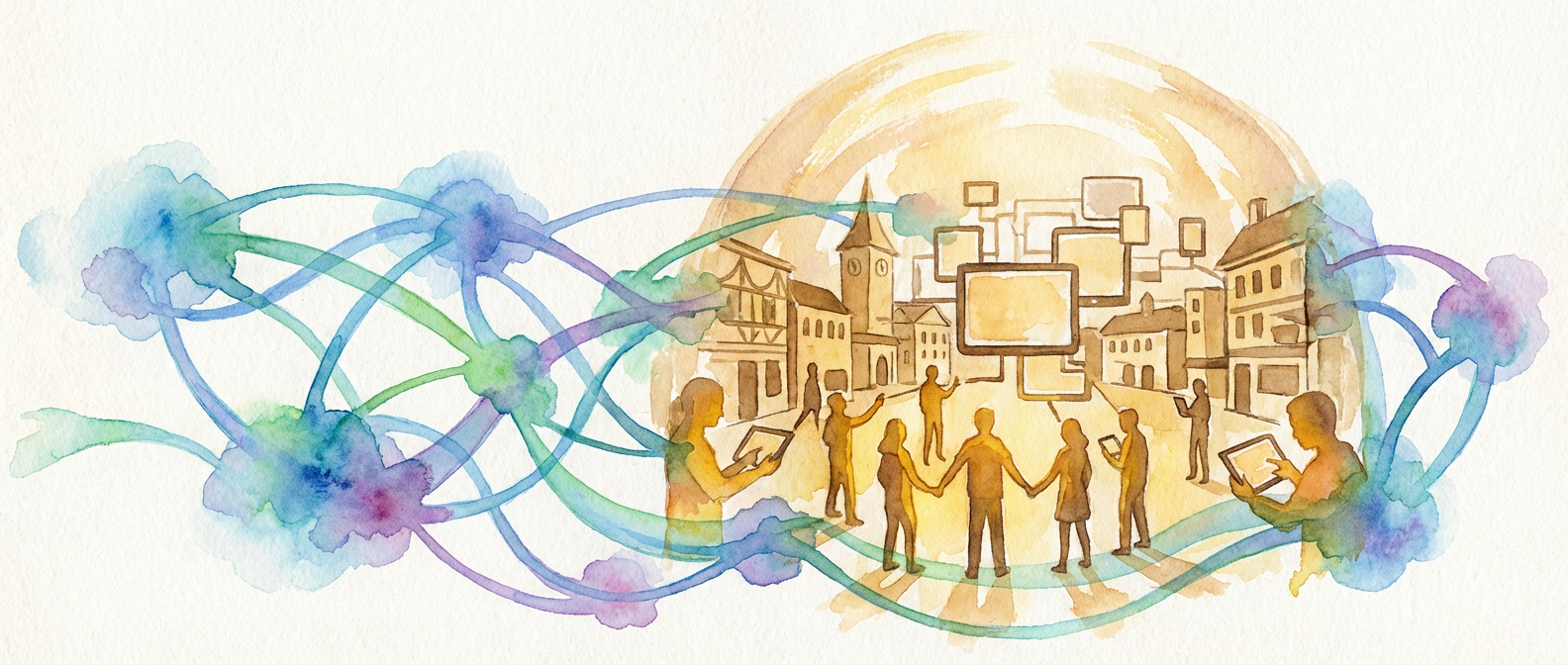
The transformation cuts both ways. Digital tools have made political participation more accessible than ever before. Grassroots movements can now mobilize thousands within hours. Campaign volunteers access sophisticated voter contact software that was once exclusive to well-funded operations. Small-dollar donors can collectively match corporate spending through micro-donation platforms.
But this same infrastructure enables manipulation, disinformation, and foreign interference on an industrial scale. The question isn’t whether digital democracy is good or bad. The question is whether democratic institutions can adapt fast enough to capture its benefits while containing its dangers.
The Messaging Revolution
Political organizing has moved beyond Facebook posts and Twitter threads. WhatsApp and Telegram groups now form the backbone of local political mobilization across continents. From Indian village councils to American school board races, encrypted messaging apps enable rapid coordination outside traditional media gatekeepers.
These platforms offer real advantages for organizers. Group conversations feel intimate and personal. Messages arrive directly on phones rather than competing for attention in social media feeds. Geographic proximity creates natural organizing boundaries. Local issues gain traction without needing to go viral.
The privacy features that protect legitimate organizing also shield bad actors. Disinformation spreads through these closed networks with little oversight or fact-checking. Foreign operatives exploit the same tools that empower grassroots activists. The Brennan Center democracy research documents how authoritarian governments have weaponized messaging apps to interfere in democratic processes worldwide.
The Outrage Economy
Platform algorithms prioritize engagement over accuracy. Content that triggers strong emotional responses gets wider distribution than measured analysis. This algorithmic bias toward outrage appears consistent across major platforms, regardless of political orientation.
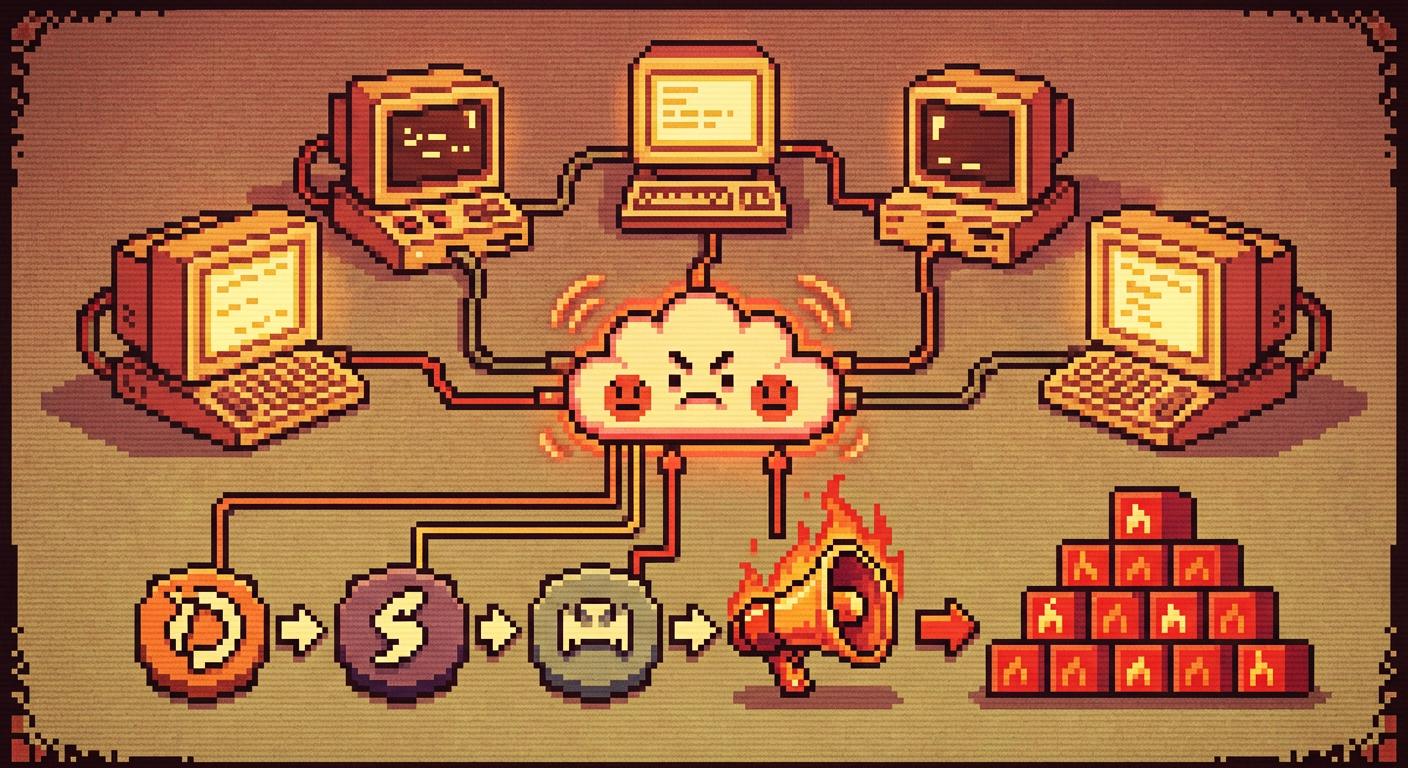
The mechanics are straightforward. Angry users click, share, and comment more frequently than satisfied ones. Platforms generate revenue through user engagement. So algorithms learn to surface content that provokes reaction rather than content that informs.
Political actors have adapted accordingly. Fundraising emails grow more hyperbolic. Policy debates become existential battles. Moderate voices struggle to penetrate feeds dominated by the most extreme positions from all sides. The result is political discourse optimized for virality rather than truth.
Foreign influence operations exploit these same engagement patterns. State-sponsored accounts spread divisive content designed to amplify existing tensions. Analysis shows coordinated inauthentic behavior on X, Facebook, and TikTok during every major recent election cycle. These operations succeed not by changing minds but by making democratic discourse more toxic and less productive.
The Democratization Paradox
Digital tools have eliminated traditional barriers to political participation. Open-source canvassing software allows volunteer-run campaigns to compete with professional operations. Online fundraising platforms enable candidates to bypass wealthy donors and institutional gatekeepers. Social media gives unknown activists direct access to mass audiences.
This democratization creates new dependencies. Campaigns increasingly rely on small-dollar donors who expect constant engagement and immediate responses to political developments. The need to maintain donor enthusiasm often conflicts with the deliberative processes that effective governance requires.
Technology vendors wield growing influence over electoral outcomes. Platform policy decisions about content moderation can determine which messages reach voters. Algorithm changes can devastate organizing efforts overnight. Democracy Now and other outlets have documented how platform decisions systematically favor certain political perspectives while suppressing others.
The shift toward digital organizing also creates new forms of inequality. Tech-savvy movements gain disproportionate influence regardless of their actual popular support. Digital literacy becomes a requirement for effective political participation. Rural communities with limited broadband access find themselves increasingly shut out of democratic processes.
Building Resilient Digital Democracy
The solution isn’t to abandon digital tools but to deploy them more thoughtfully. Platform transparency requirements could expose algorithmic bias without stifling innovation. Public campaign finance systems could reduce dependence on attention-driven fundraising. Digital literacy programs could help citizens navigate online political information more effectively.
Regulatory frameworks must evolve beyond simplistic content moderation debates. The focus should shift toward platform design choices that shape democratic discourse. Algorithms could prioritize local news and civic information over viral content. Verification systems could distinguish authentic grassroots activity from coordinated manipulation.
Democratic institutions need digital infrastructure as robust as the threats they face. Election security requires constant vigilance against foreign interference. Campaign finance systems must track micro-donations as carefully as major contributions. Fact-checking operations need real-time capabilities to counter disinformation at the speed of social media.
The future of democratic participation depends on getting these choices right. Digital democracy offers unprecedented opportunities for citizen engagement and political innovation. But realizing that potential requires confronting its vulnerabilities with the same urgency we bring to embracing its possibilities. The conversation about how to build more resilient digital democratic institutions matters to every citizen who values self-governance.