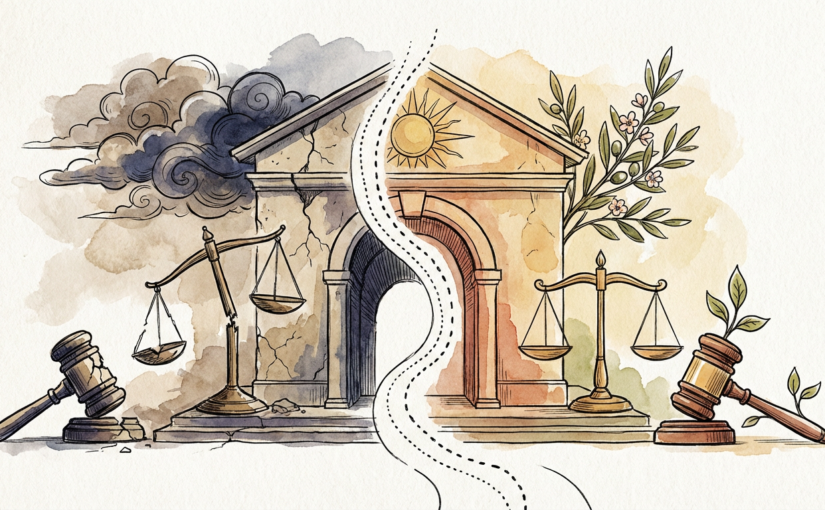
The Earthquake That Shook Mexico’s Courts
Last September, Mexico did something that caught the world off guard. The country’s legislature passed a Mexican Constitutional Amendment Text with overwhelming support—83% approval—requiring all federal judges to face popular elections. Every single one. From local magistrates handling traffic disputes to Supreme Court justices deciding constitutional law. Nearly 7,000 judicial positions will appear on ballots in June 2026.

The response was immediate and dramatic. Mexico’s Supreme Court declared the reform unconstitutional. The Mexican Bar Association watched in horror as 23% of sitting federal judges resigned rather than submit to electoral politics. International observers raised red flags about judicial independence. Yet polling shows 68% of Mexican citizens support these changes.
What makes this fascinating is that both sides have compelling arguments. Understanding why requires looking at the messy reality of how democracy actually works when people disagree about its fundamental structure.

The Case for Democratic Accountability
President Claudia Sheinbaum’s administration isn’t stumbling into this reform blindly. They’ve allocated 12 billion pesos—roughly $650 million—for the National Electoral Institute to manage these judicial elections. That’s serious money for serious change.
The reform’s supporters make a straightforward democratic argument. Why should judges, who wield enormous power over citizens’ lives, be appointed through backroom negotiations among political elites? In Mexico, judicial appointments have historically flowed through networks of political patronage and law school connections. The current system concentrates power in the hands of sitting justices and political leaders who rarely face direct accountability to voters.
Think about the experience of ordinary Mexicans navigating a court system where connections matter more than justice. When judicial appointments depend on political favor rather than public trust, courts can become instruments of elite protection rather than equal justice. Elected judges would owe their positions to voters, not political patrons.
The 68% public support isn’t accidental. It reflects decades of frustration with a judicial system many Mexicans see as corrupt, elitist, and disconnected from their daily struggles. Democratic accountability through elections offers a clear path toward judicial legitimacy rooted in popular consent.
The Independence Dilemma
But here’s where the democratic argument gets complicated. The Inter-American Commission on Human Rights Statement warns that electoral politics could undermine judicial independence—and they’re not wrong to worry.
Judges need independence precisely because democracy requires someone to say “no” to popular majorities when they violate constitutional rights. That’s not elitism. It’s constitutional design. When judges must campaign for votes, they face pressure to make popular decisions rather than legally correct ones. Imagine a judge deciding a controversial case knowing they’ll face voters next year who might disagree with constitutional protections for unpopular minorities.
The resignation of nearly a quarter of sitting federal judges signals more than resistance to change. These judges represent institutional knowledge and legal expertise that takes decades to develop. Their departure creates immediate practical problems. Who handles their caseload? How quickly can new judges master complex legal frameworks? Court systems don’t rebuild overnight.
The Supreme Court’s opposition reflects genuine constitutional concerns about separation of powers. When one branch of government restructures another through simple majority vote, traditional checks and balances break down. Even popular reforms can violate constitutional principles if they concentrate too much power in temporary majorities.
Learning from Democratic Experiments
Mexico isn’t the first country to grapple with these tensions. Several U.S. states elect judges, with mixed results. Some studies suggest elected judges issue harsher sentences during election years and show greater sensitivity to public opinion in high-profile cases. Other research indicates appointed judges aren’t necessarily more independent—they just answer to different constituencies.
What matters isn’t whether judicial elections are inherently good or bad, but how they’re designed and implemented. Will candidates need to raise campaign money from lawyers who’ll appear before them? How will voters evaluate judicial qualifications? What safeguards protect judicial decision-making from campaign pressures?
Mexico’s reform includes some protections. Candidates must meet professional qualifications. Campaign finance rules apply. But designing democratic accountability that preserves judicial independence requires careful balance. Mexico is conducting a real-time experiment with its entire court system.
The international criticism misses something important: Mexico’s current system already compromises judicial independence through political appointment processes. The question isn’t whether to have pure judicial independence—that’s impossible—but whether accountability should run through political elites or voters.
The Path Forward
Here’s the honest truth: both sides of this debate identify real problems without perfect solutions. Mexico’s current judicial system does suffer from legitimacy deficits rooted in elite capture and political patronage. But elected judges do face pressures that could compromise their ability to protect constitutional rights against popular majorities.
I think the most intellectually honest position acknowledges that democracy requires ongoing institutional experimentation. Mexico’s judicial reform represents a democratic society choosing democratic accountability over elite insulation—even with its risks. That choice deserves respect, even from those who disagree with it.
What happens next matters enormously. Will judicial campaigns focus on qualifications and legal philosophy, or devolve into political spectacle? How will new judges balance electoral accountability with constitutional duty? Can Mexico design safeguards that preserve judicial integrity within electoral democracy?
These questions don’t have predetermined answers. They require careful observation, honest assessment, and willingness to adjust course based on evidence rather than ideology. Mexico’s experiment will provide valuable data about democracy’s possibilities and limits.
The stakes extend beyond Mexico’s borders. Around the world, democracies struggle with similar tensions between accountability and independence, between popular will and constitutional constraint. Mexico’s bold experiment in democratic judicial reform deserves serious analysis from anyone interested in how democracy evolves under pressure. What aspects of this reform do you think other democracies should watch most closely?