The Ceasefire That Wasn’t: Understanding What Actually Happened in 2025
Here’s the thing about major international agreements: they often sound simple until you actually read them. In January 2025, negotiators announced a ceasefire deal for Gaza that seemed straightforward on the surface. Phase One would last 42 days. During those six weeks, hostilities would pause. Israel would release Palestinian prisoners while 33 Israeli hostages would come home. It sounded like progress.
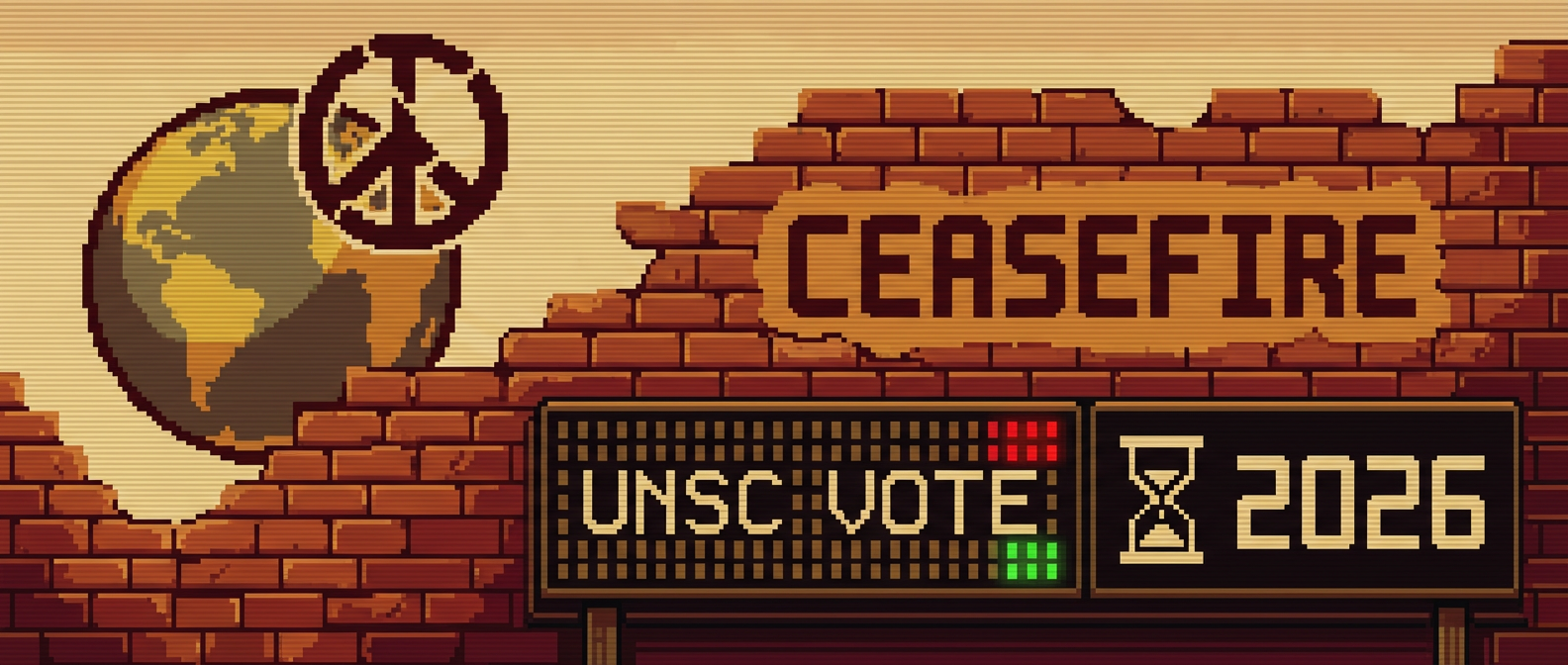
By March, Phase Two negotiations had completely stalled. The deal that was supposed to move toward permanent peace instead froze solid. This wasn’t a surprise to anyone paying attention to the actual mechanics of international diplomacy. But here’s what matters: understanding why Phase Two collapsed tells you something crucial about how global power actually functions heading into 2026.
Think of it like city council negotiations. You can pass a resolution on police reform, but the real test comes when you try to implement it. Phase One was the resolution. Phase Two was implementation. And implementation is where the hard part always happens.
Following the Paper Trail: What Nine UN Security Council Votes Actually Reveal
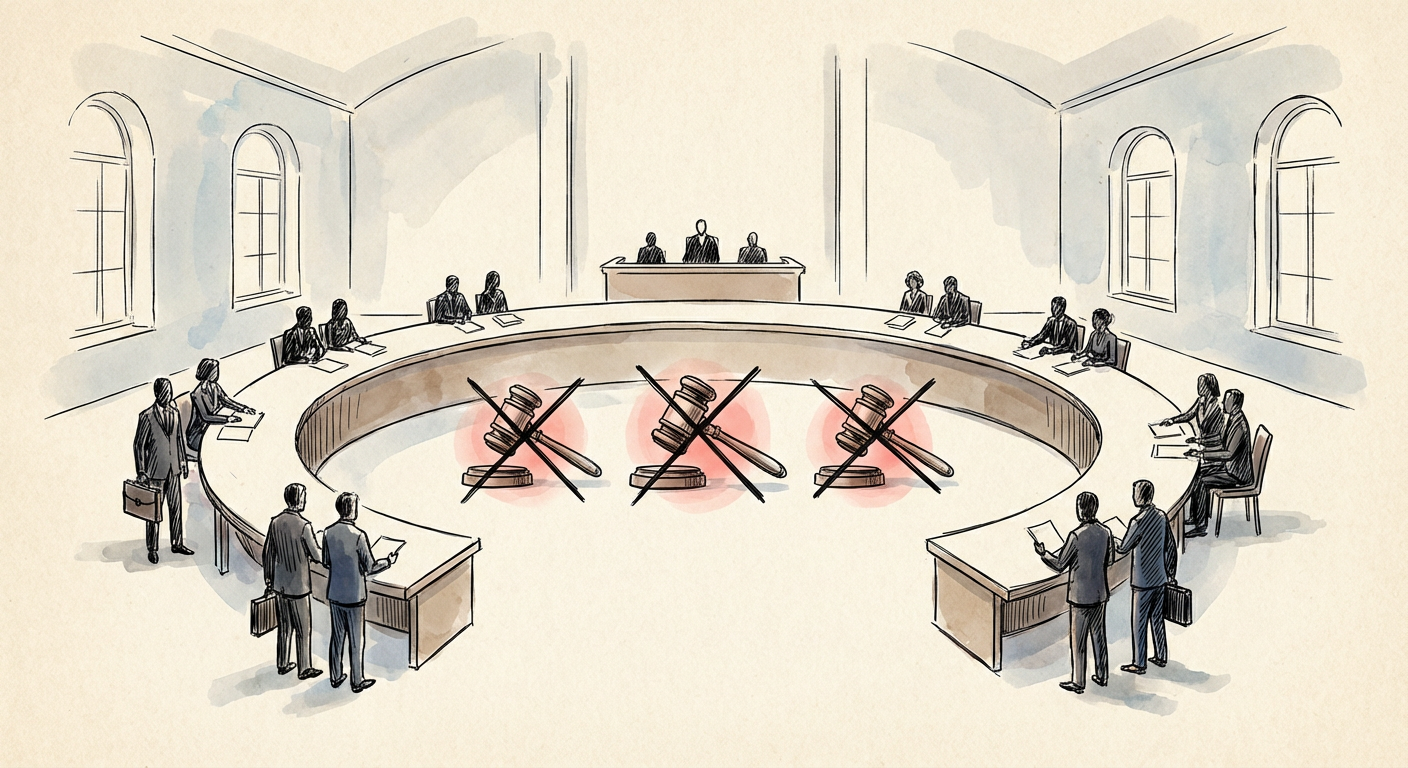
The United Nations Security Council held nine emergency sessions on Gaza between January and December 2025. That number alone tells you something. Nine emergency sessions on a single conflict means the world’s most powerful nations couldn’t agree on basic facts about what was happening on the ground.
Here’s where it gets specific. The United States vetoed three separate resolutions related to establishing a permanent ceasefire. This wasn’t theoretical disagreement. These were actual votes where the American delegation raised its hand and said no. That’s the veto power at work, the mechanism that gives five permanent Security Council members the ability to block anything, regardless of what the other ten members want.
You need to understand what a veto actually means in practice. When a country uses its veto, it’s not just blocking one resolution. It’s sending a message about priorities and alliances. The math here matters for 2026. If the Security Council can’t achieve consensus on Gaza by late 2025, what does that tell us about their ability to handle other crises? It tells us that the fundamental divide between major powers is wider than many people realize.
The Mediators Worked Overtime—And That’s the Real Story
Qatar, Egypt, and the United States were the primary mediating parties throughout 2025. Qatar’s foreign minister Mohammed Al-Khatija conducted over 40 documented shuttle diplomacy trips. Forty trips. Let that sink in. That’s not occasional diplomacy. That’s someone literally flying between locations week after week, month after month, trying to find common ground.
Shuttle diplomacy exists because direct negotiations sometimes fail. When you can’t get people in the same room productively, you send an intermediary. The fact that this happened 40 times tells you that the basic trust between parties had broken down significantly. Each trip was an attempt to inch toward agreement. None of them succeeded in moving past Phase One.
This matters for understanding 2026 because mediators don’t usually work this hard unless they believe something might actually be possible. Forty trips suggests Qatar, Egypt, and the United States still thought a Phase Two agreement could happen. The fact that it didn’t happen despite that effort reveals something important: sometimes the structural problems are too deep for even determined mediators to solve.
The Humanitarian Reality That Nobody Could Ignore
By late 2025, the UN Office for the Coordination of Humanitarian Affairs reported that over 2.1 million Palestinians in Gaza remained dependent on international humanitarian assistance for food security. That’s not a political argument. That’s a fact about how many human beings needed help feeding themselves because of the conflict.
UN OCHA Gaza Humanitarian Situation Reports document this systematically. These aren’t opinion pieces. They’re data-driven assessments by professionals working on the ground. The numbers matter because they represent actual people whose lives depend on international cooperation functioning.
Here’s the connection to geopolitics: humanitarian crises usually create pressure for political settlements. When 2.1 million people need food assistance, the international community theoretically should feel motivated to resolve the underlying conflict. The fact that Phase Two negotiations collapsed despite this humanitarian reality suggests that political factors outweighed humanitarian ones. That’s a troubling indicator for how global priorities actually work.
The International Court of Justice Kept the Legal Pressure On
While politicians negotiated, the International Court of Justice issued two additional provisional measures orders related to the Gaza conflict in 2025. The March ruling specifically cited obligations under the Genocide Convention. International Court of Justice: Gaza-Related Proceedings represent a different kind of pressure than Security Council votes or shuttle diplomacy.
Provisional measures orders from the ICJ are significant. The court isn’t ruling on whether something happened. It’s saying there’s enough evidence of potential violations that parties need to take precautionary steps right now. The Genocide Convention reference matters historically and legally. It’s the ICJ saying these proceedings touch on one of international law’s most serious concerns.
Why does this matter for 2026? Because international law and international diplomacy exist in tension. Negotiators are trying to reach political settlements while lawyers are pursuing legal accountability. These processes can support each other, but they can also work at cross purposes. When Phase Two collapsed, the ICJ kept applying legal pressure. That creates a situation where 2026 will see simultaneous political and legal processes competing for resolution.
What This Actually Tells Us About Your World in 2026
The Gaza ceasefire collapse and the UN voting breakdown aren’t just about one conflict. They reveal patterns about how global power actually functions when pressure increases. The permanent Security Council members still can’t reach consensus on major crises. Mediators can work intensely without achieving breakthroughs. Humanitarian needs alone don’t determine political outcomes. Legal proceedings and diplomatic negotiations operate on different timelines.
This matters because understanding these mechanisms helps you see through simplified narratives. When someone tells you that the UN should “just” do something, you’ll understand why that’s not how institutions work. When a news outlet suggests that pressure should naturally resolve a conflict, you’ll recognize that structural conflicts often resist pressure. When mediators claim progress is imminent, you’ll know to look for evidence of actual consensus, not just intensive effort.
The real question for 2026 isn’t whether these conflicts resolve quickly. It’s whether you develop the sophistication to understand why they don’t. Start by reading those OCHA reports and ICJ proceedings. See what the data actually says versus what the headlines claim. That’s how you become someone who makes better decisions about the world.